Sunlight filtering through layered banded sheer shades on two adjoining windows

Custom Blinds for Palm Coast

Fabric, metal, vertical, and wood: custom blinds measured to your windows, matched to your rooms, and installed by the same team that helped you choose them.

Find Your Blind

Installer raising a textured brown shade at a sunlit window

Fabric Blinds

Softness where slatted blinds feel hard: woven textures that filter light gently and quiet a room down.
Learn More
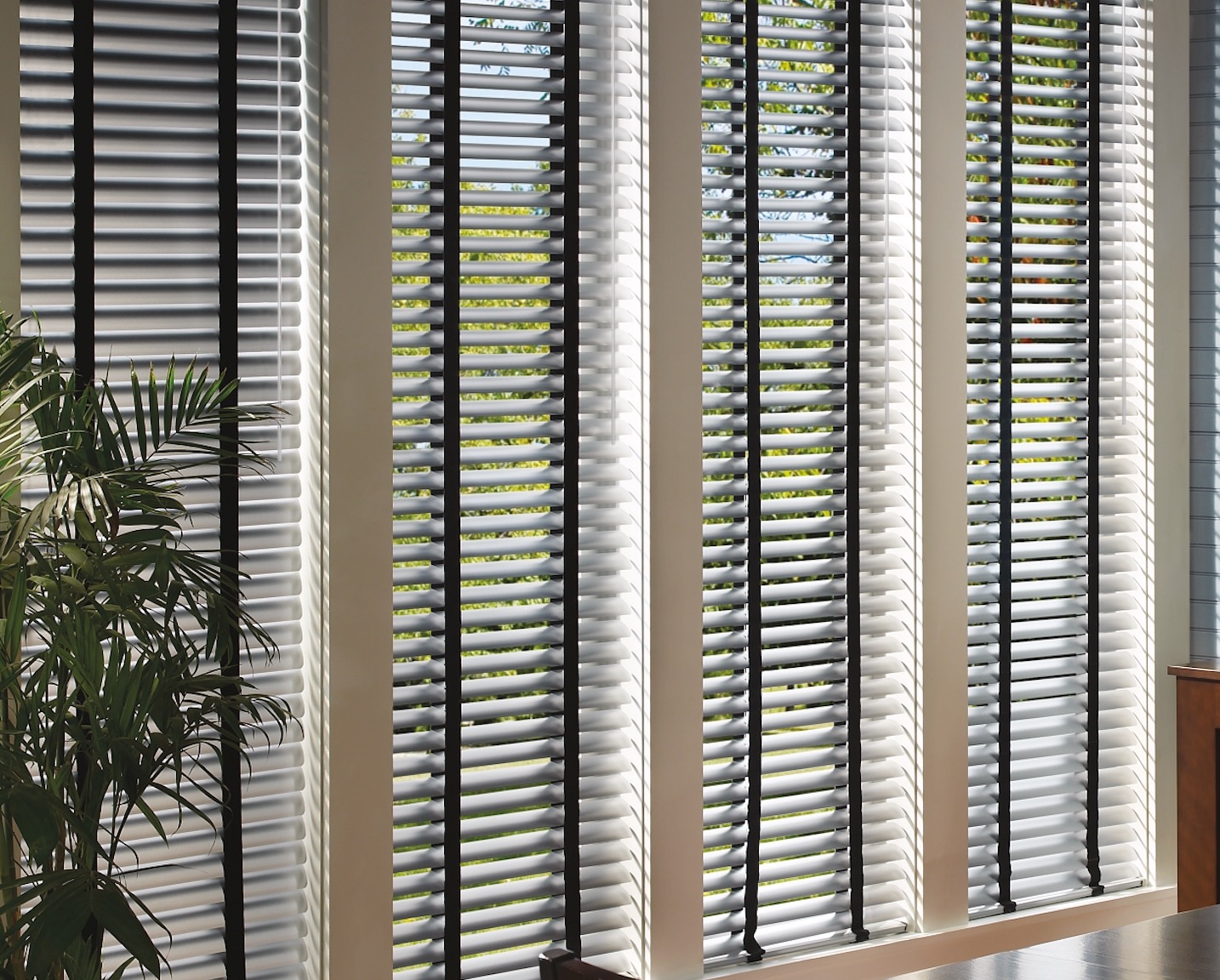
White horizontal blinds with black cloth tapes across a bank of tall narrow windows

Metal Blinds

Classic horizontal slats in warm woods, faux woods, and crisp aluminum, sized from kitchen windows to great rooms.
Learn More
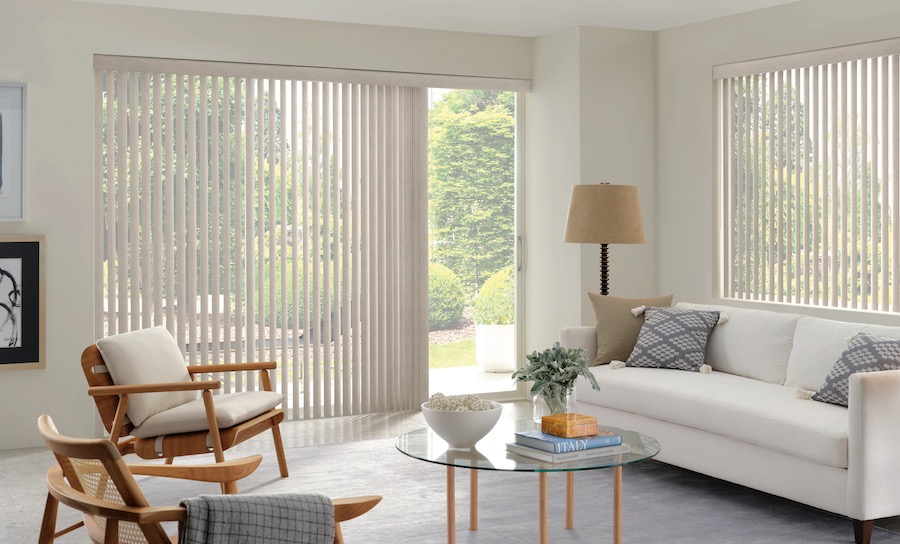
Cream vertical blinds on a sliding glass patio door and side window in a bright living room

Vertical Blinds

The slider specialists. Modern vertical panels that glide across patio doors and wide openings without fuss.
Learn More
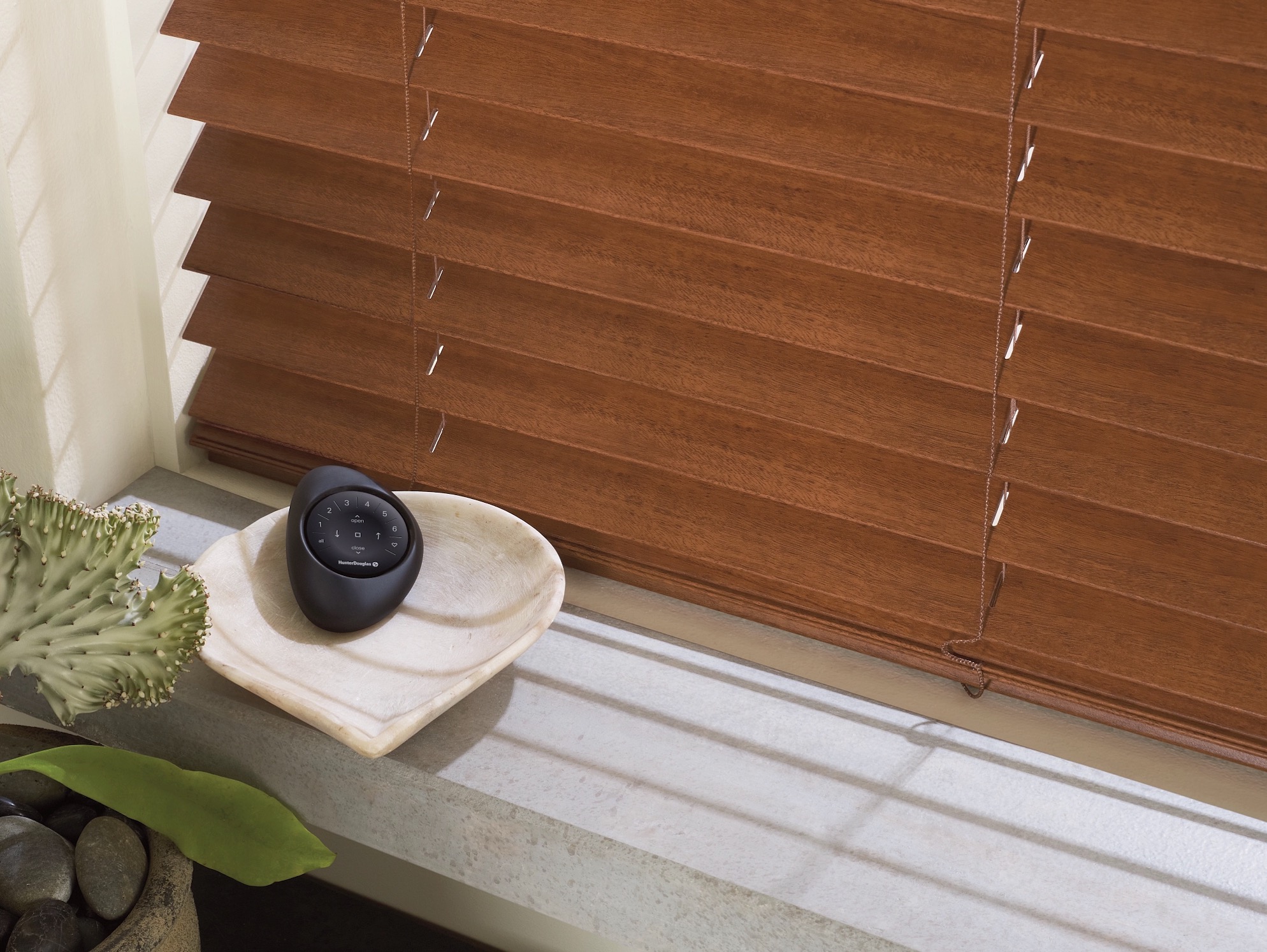
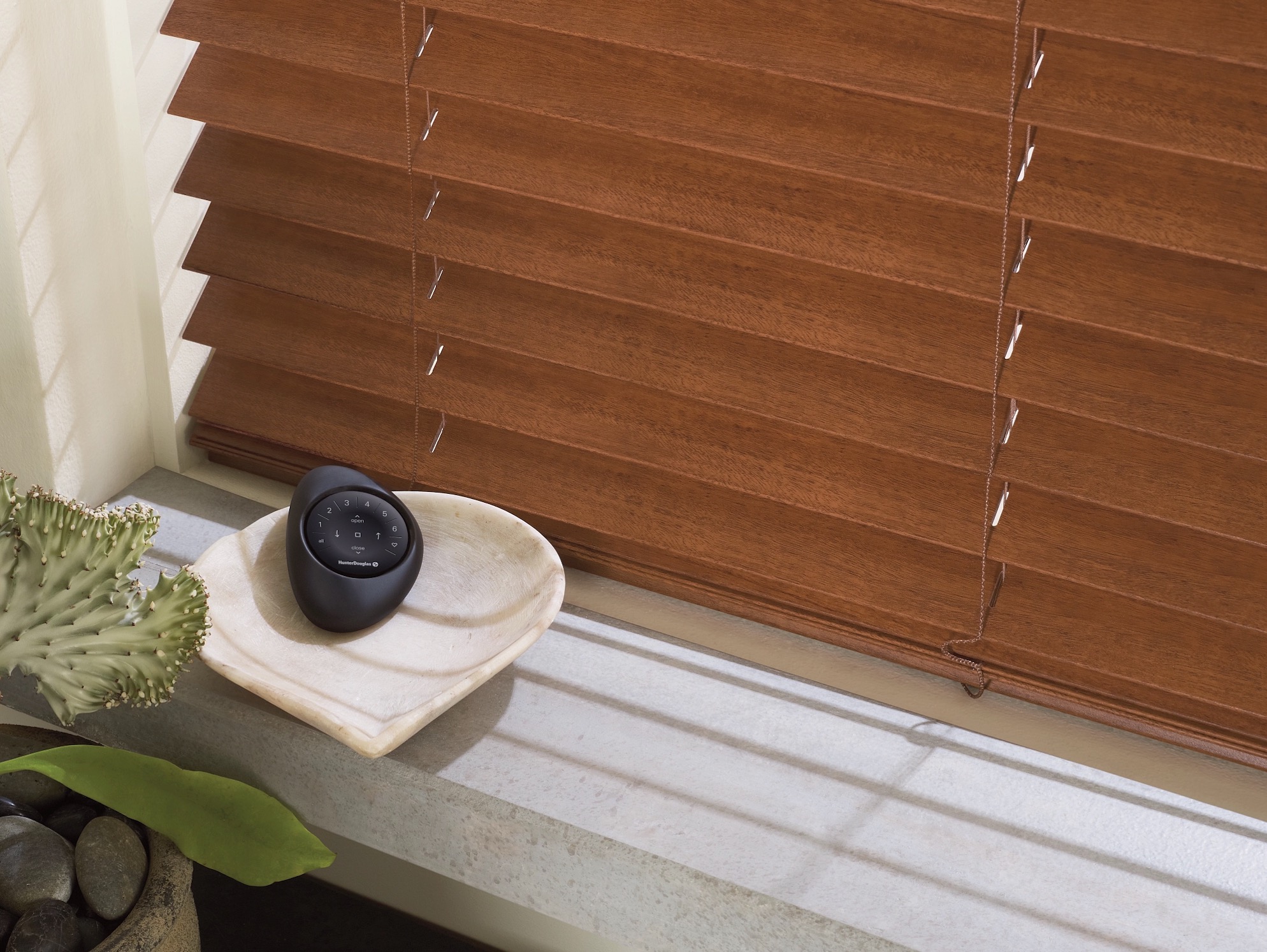
Medium-brown blinds with a Hunter Douglas remote resting in a dish on the windowsill

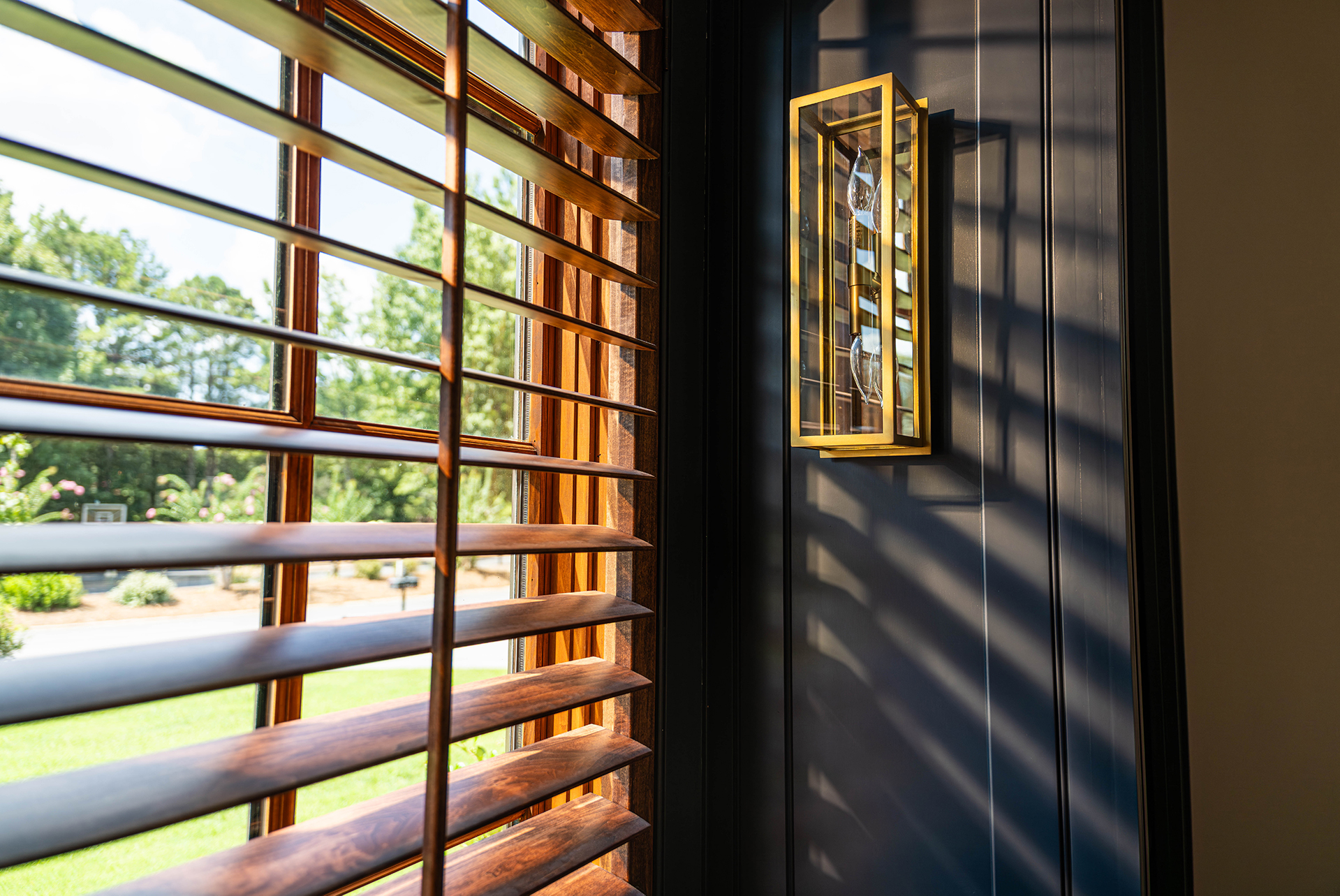
Wood Blinds

Classic horizontal slats in warm woods, faux woods, and crisp aluminum, sized from kitchen windows to great rooms.
Learn More
Why Choose Shade №7

Designed Just For You

Transform your space with our custom-made window treatments.

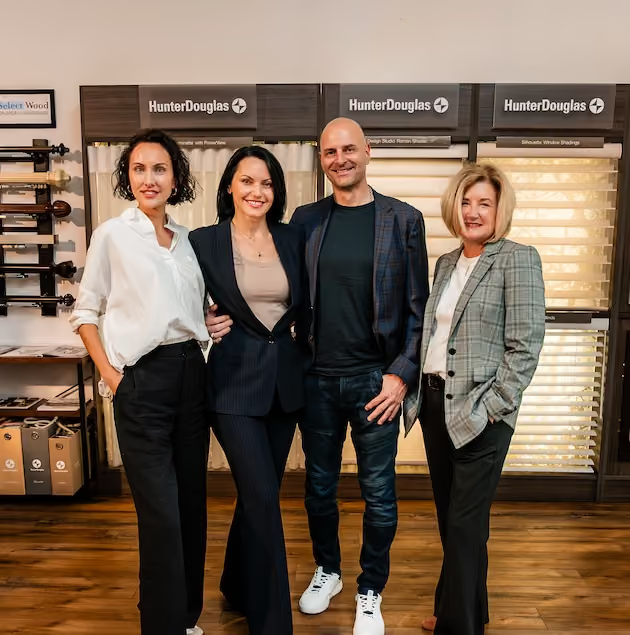
Four Shade No. 7 team members in the showroom in front of Hunter Douglas shade and shutter displays

Consult With Our Experts

Contact us and an expert will help you to choose the perfect product for your home.
Specialist adjusting the bottom rail of a sheer horizontal shade at a window

Professional Measurements

After discussing all the details of your project, our professionals will measure your windows and provide you with a quote.
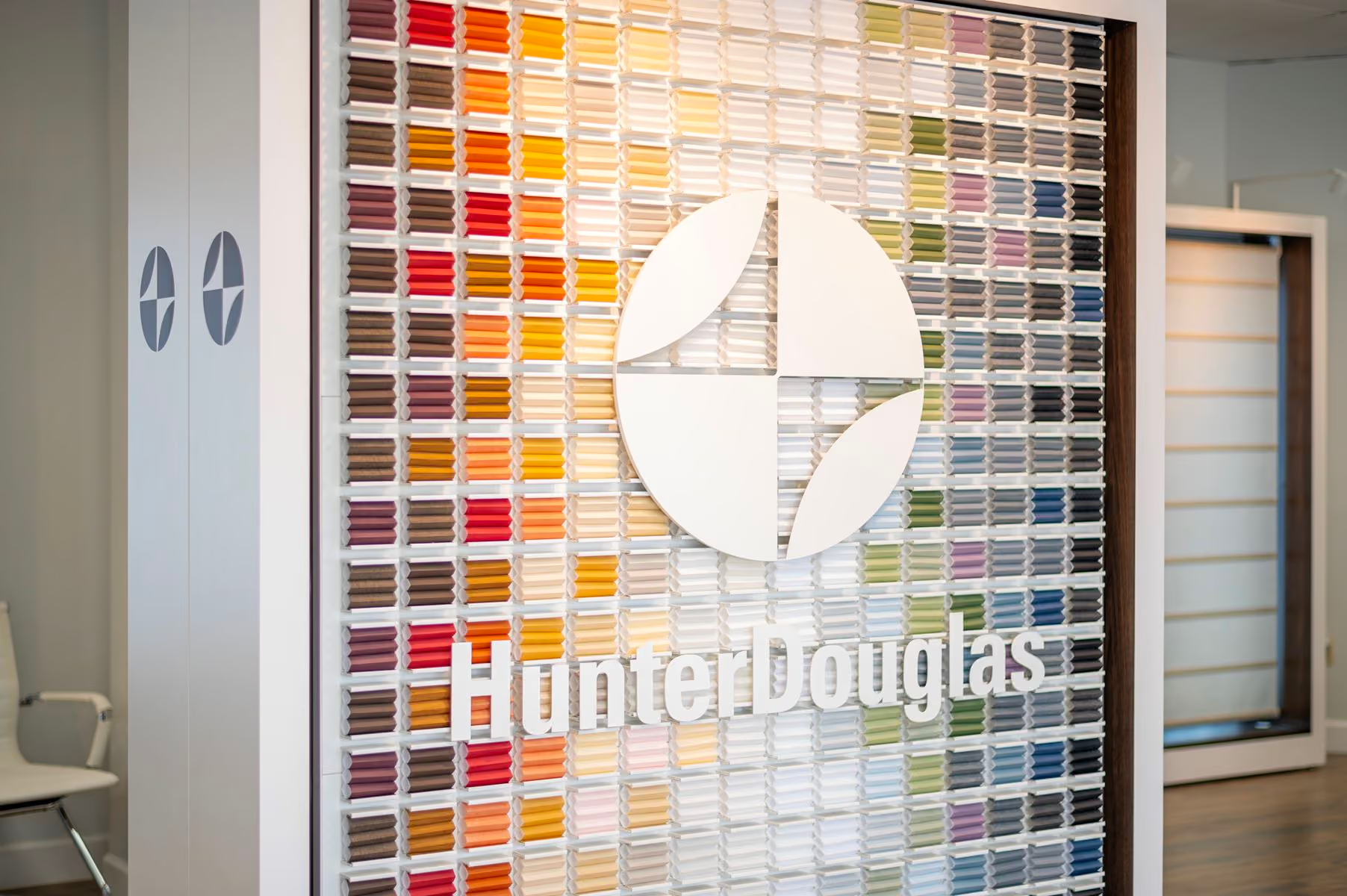
Hunter Douglas showroom display wall of fabric and slat color samples arranged by color

Certified Hunter Douglas Installation

We provide a full-service solution that handles all aspects of installation.
The Details

Why Our Blinds Fit Better

Big-box window blinds are cut close and shimmed in. Custom window blinds are built to the opening, which is why ours operate smoothly years after the install.
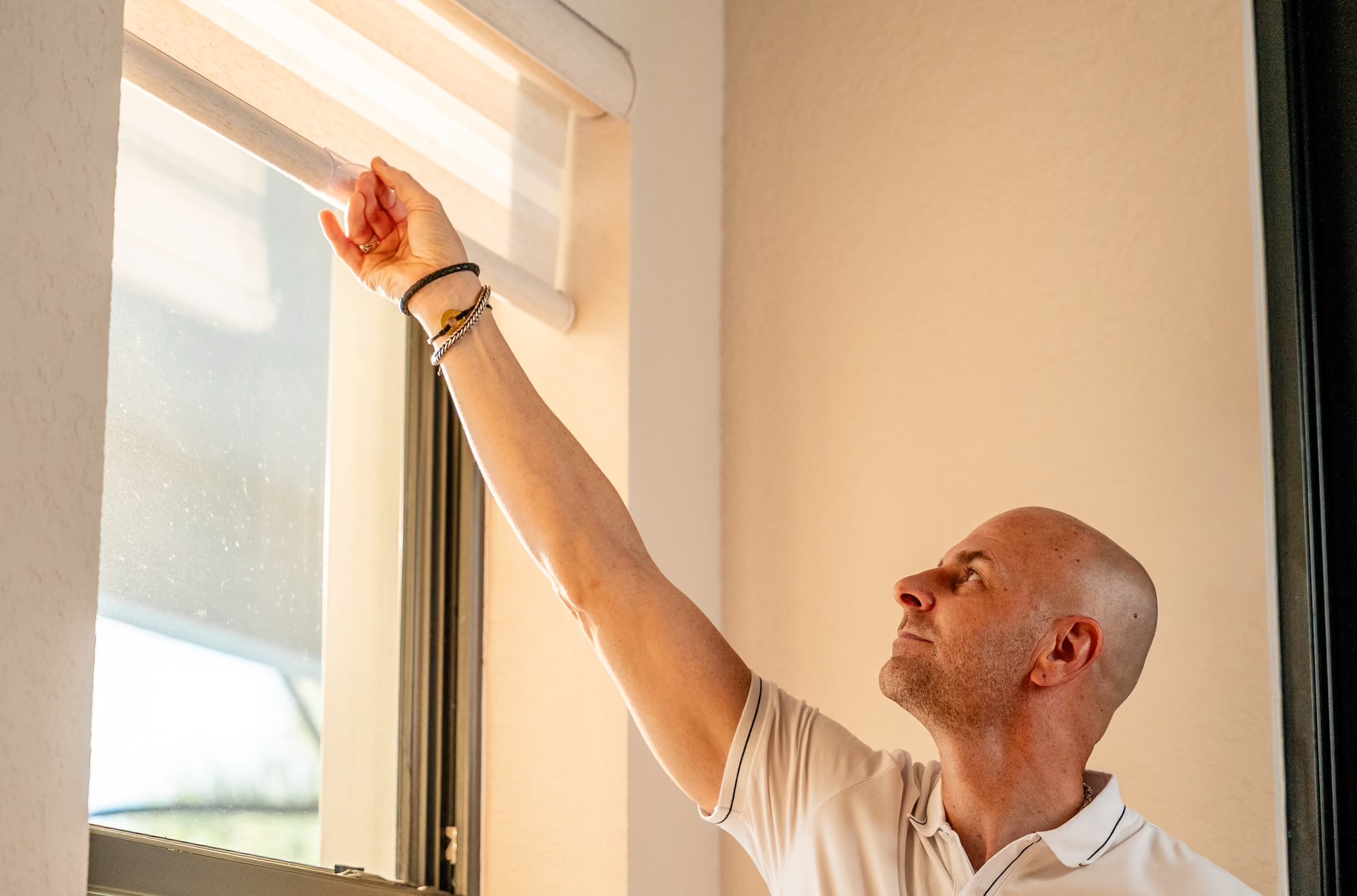
Installer in a white polo reaching up to adjust a white cellular shade at a window

 Measured by Us

We template every opening ourselves, including the out-of-square ones, so each blind fits its window exactly.
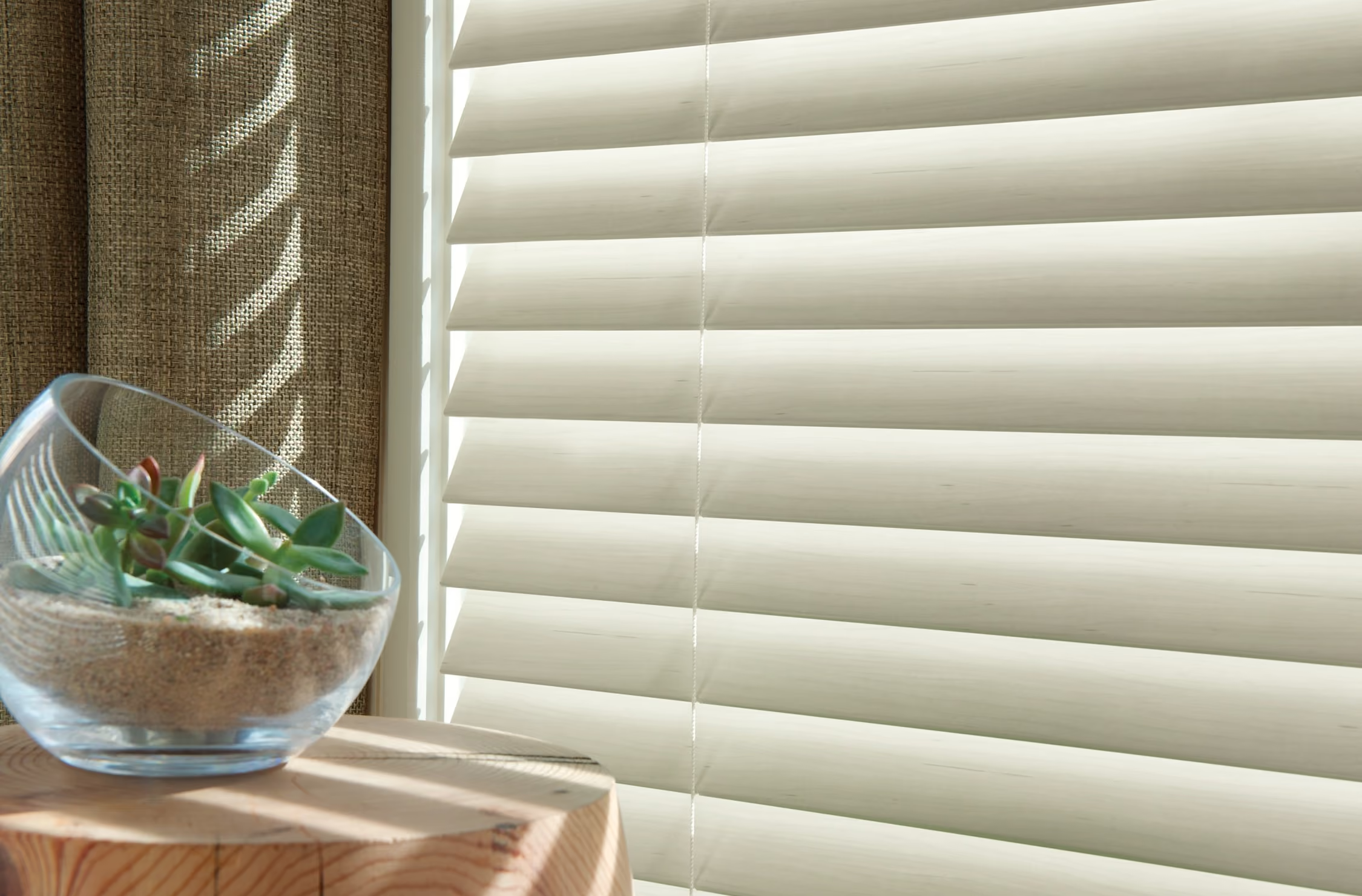
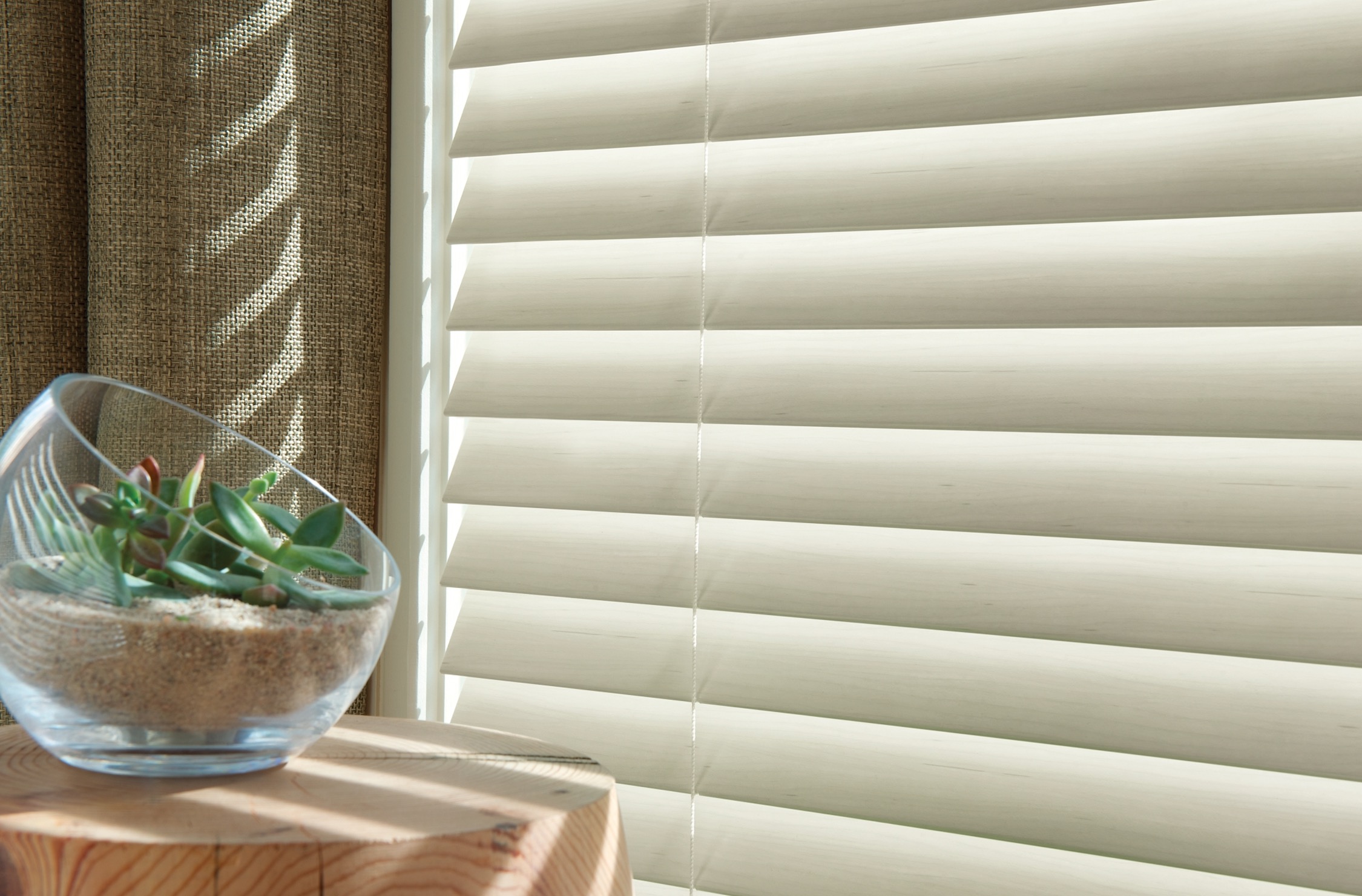
Close-up of cream faux wood blind slats beside a woven drapery panel and glass succulent bowl

Light Control Options

Routeless slats, blackout blinds liners, and top-down configurations for rooms that need real darkness or real privacy.
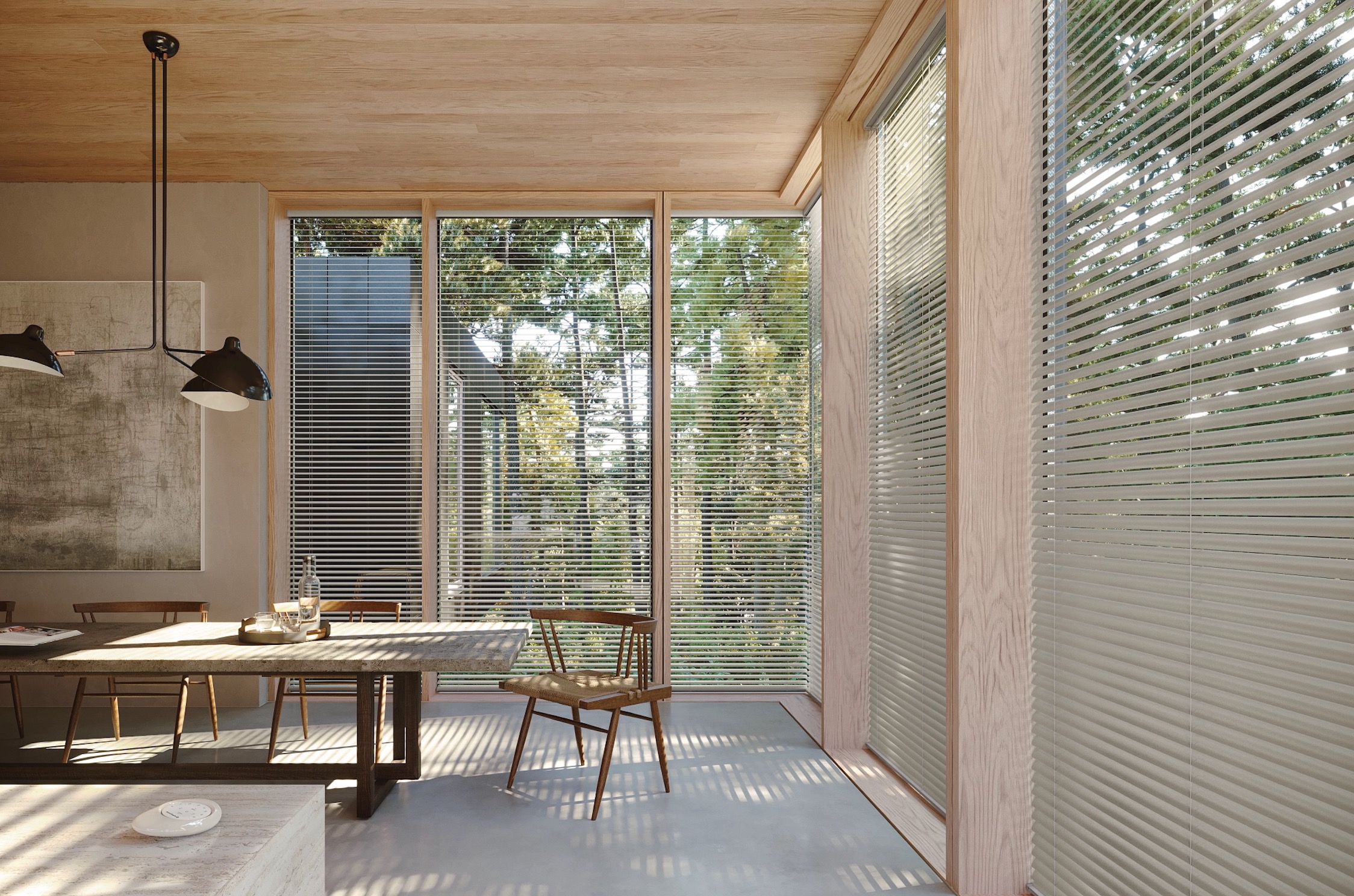
Sunlit dining room with floor-to-ceiling windows in slim metal blinds casting striped light

Built for Openings That Move

Patio door blinds and wide-span verticals engineered to glide, stack, and stay quiet on the busiest doors in the house.
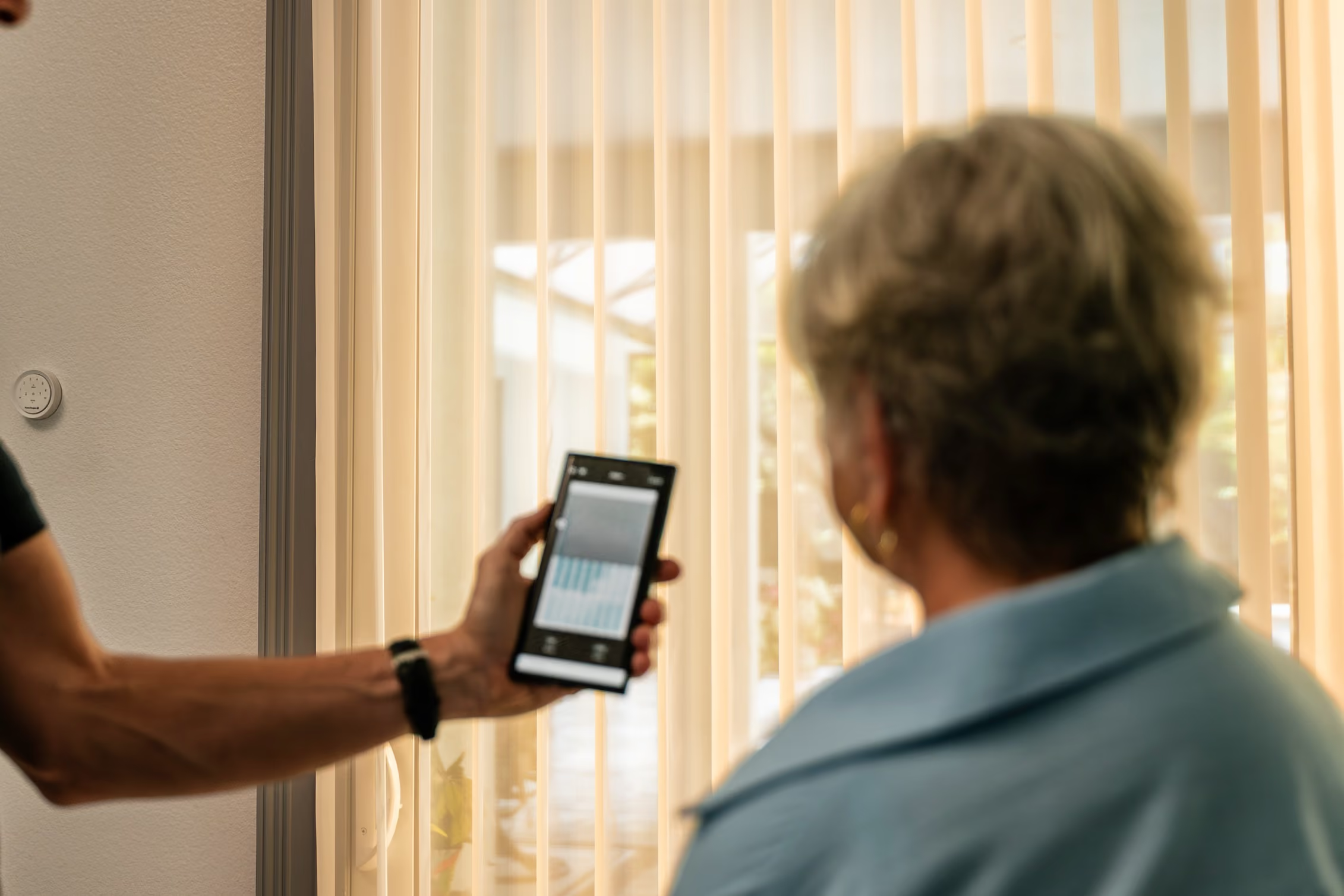
Homeowner and consultant using a phone app to control motorized vertical blinds on a patio door

Motorization Ready

PowerView automation is available across the line, so high windows and whole rooms can move on schedule.

How a Project Works

[Stage 1] Talk It Through

Start in our showroom or book an in-home consultation. We listen first: how the room is used, what the light does, what's been bothering you.

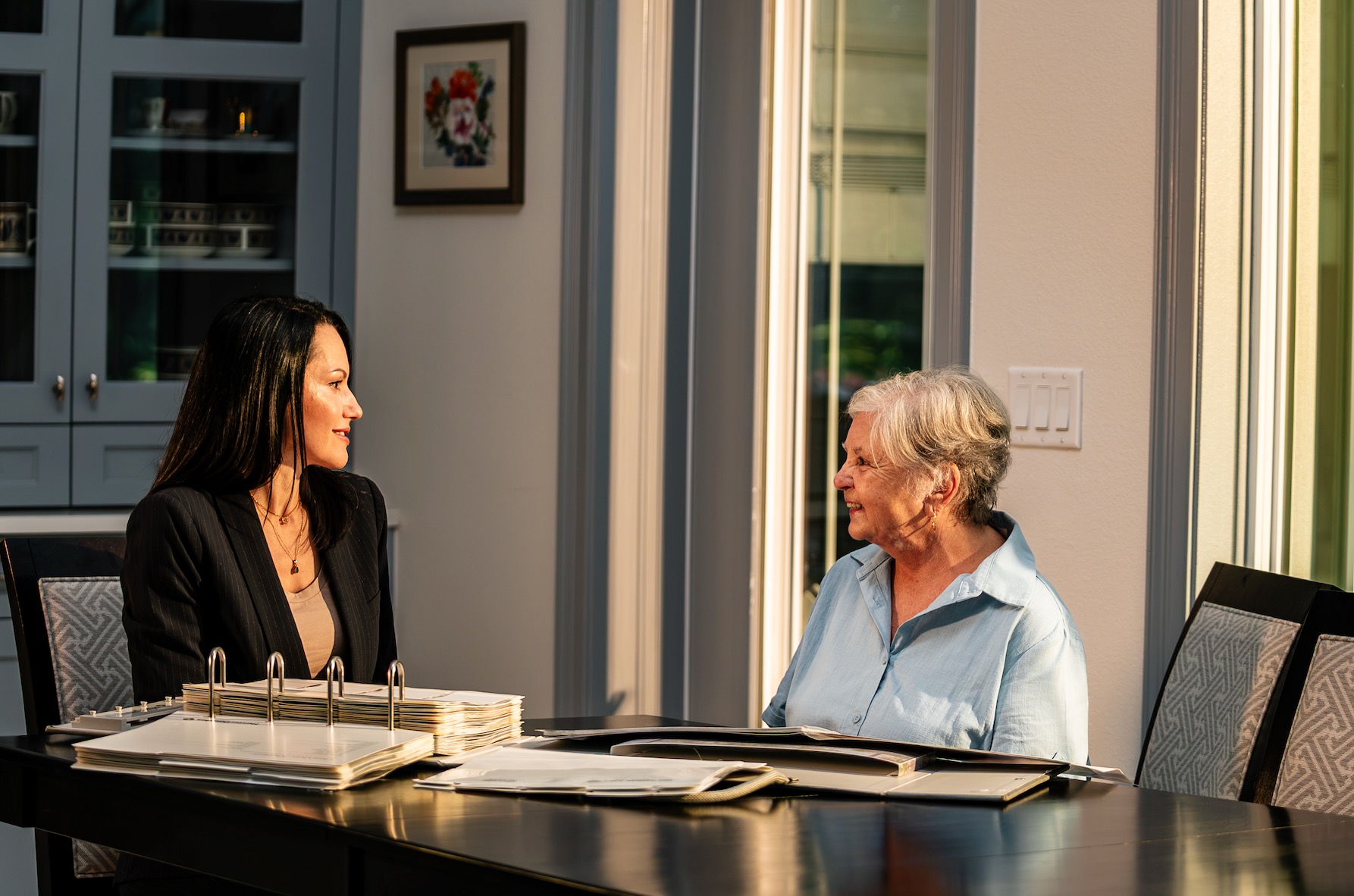
Designer and homeowner talking through window covering options with sample binders in a sunlit dining room

[Stage 2] Design and Decide

We narrow the options to what actually fits your windows, your style, and the way you live, with real samples in your hands.

Hands turning through a window covering sample book showing blind and shade swatches

[Stage 3] Measure and Make

We measure every opening ourselves, then your treatments are custom built to those exact dimensions. No stock sizes, no almost-fits.

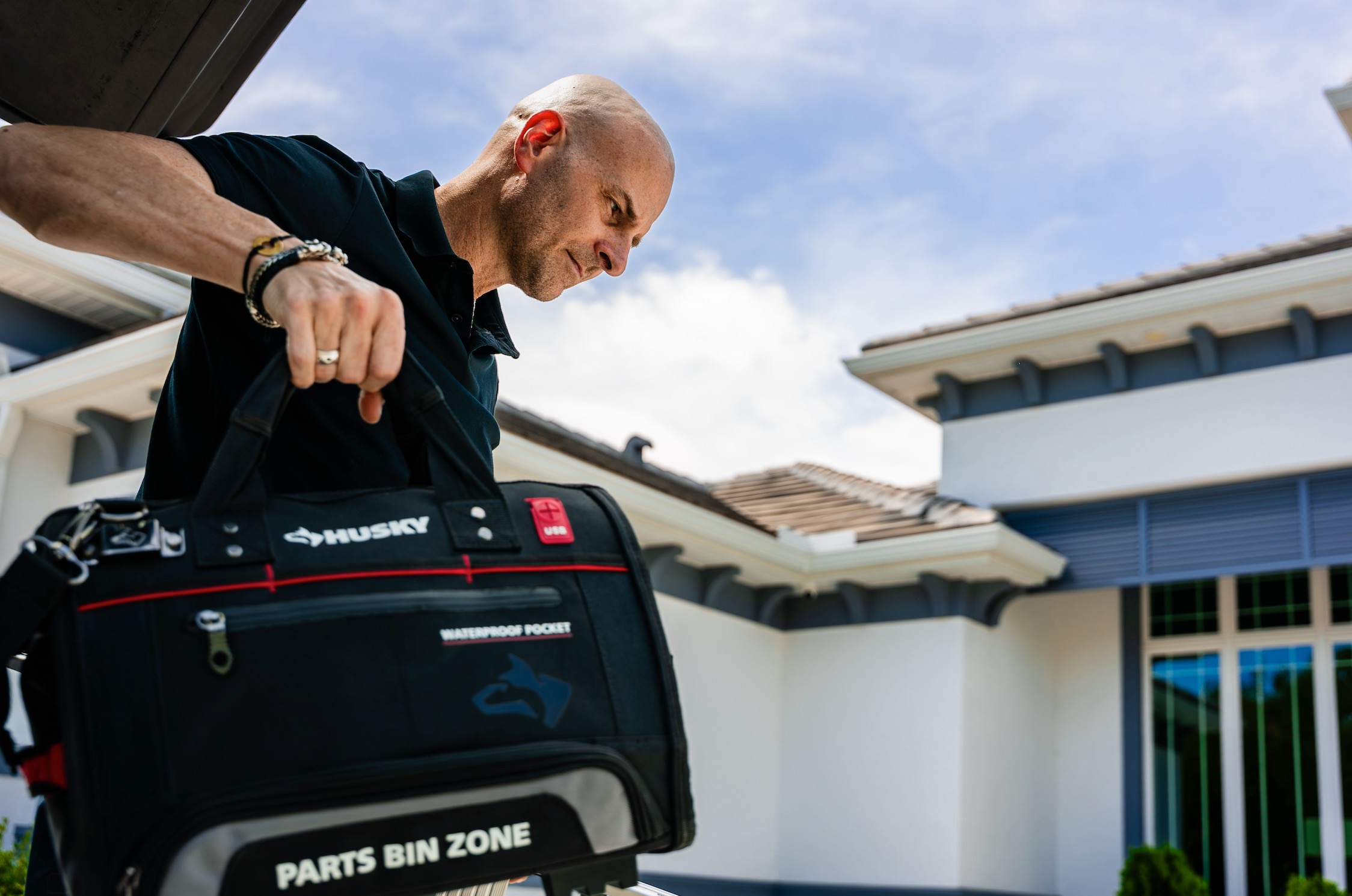
Installer lifting a tool bag from his vehicle outside a home before a window treatment install

[Stage 4] Install and Enjoy

Our installer hangs every piece, dials in the operation, and walks you through it. We don't leave until it works the way it should.

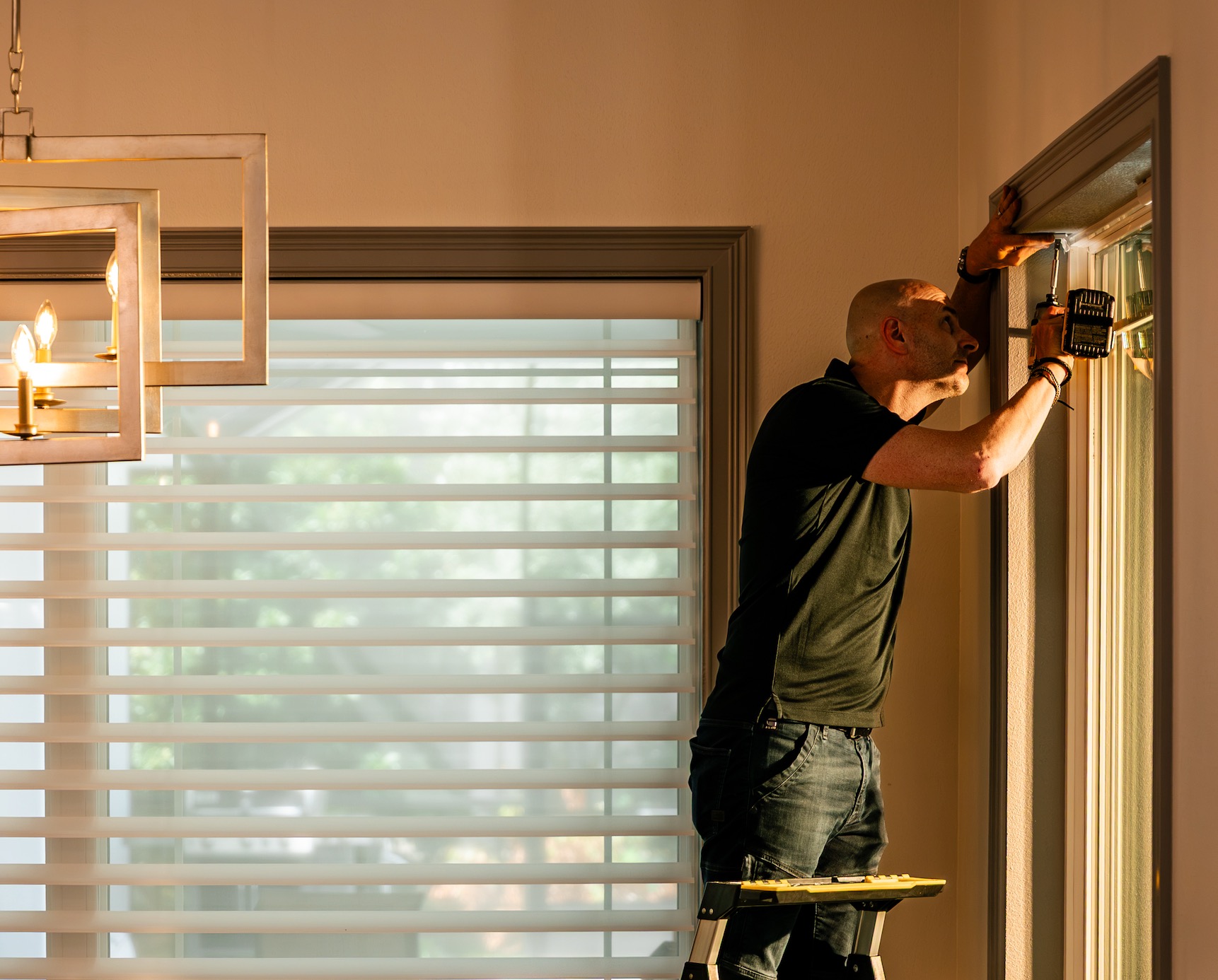
Installer on a step ladder drilling a mounting bracket above a window beside sheer horizontal shades
[Stage 1] Talk It Through
[Stage 2] Design and Decide
[Stage 3] Measure and Make
[Stage 4] Install and Enjoy
Designer and homeowner talking through window covering options with sample binders in a sunlit dining room
Hands turning through a window covering sample book showing blind and shade swatches
Installer lifting a tool bag from his vehicle outside a home before a window treatment install
Installer on a step ladder drilling a mounting bracket above a window beside sheer horizontal shades
Blinds are the most-bought, most-regretted window treatment in America, almost always because of fit. Here's how custom changes the math for Palm Coast homes.

Choosing Blinds That Last

What Custom Actually Changes

Every set of custom blinds Palm Coast homeowners orders from us is built to a measured opening, and that single fact drives everything people like about them later. Slats span the window without light gaps at the edges. Mechanisms are sized to the weight of the blind rather than borrowed from a smaller one. Mounting is decided window by window: inside the frame for a built-in look, outside to hide an ugly opening or kill more light. None of that is exotic; it's just the difference between a product made for your window and a product made for a shelf.

Matching the Blind to the Room

The right answer changes room by room, which is the consultation's whole job. Kitchens and baths want faux wood or metal that wipes clean and ignores humidity. Bedrooms want routeless slats or blackout blinds liners, and often a cordless or motorized lift for the windows behind the headboard. Sliders and wide openings want vertical blinds that stack off the glass. Living rooms split between warm wood slats and soft fabric blinds, depending on whether the room leans tailored or relaxed. We've hung all of it, many thousands of times, so we'll tell you plainly what works where.

From Showroom to Installed

Start in the showroom or book the in-home consultation and we'll bring the samples to you. Once you've chosen, we measure every opening, the factory builds each blind to those numbers, and our installer hangs, levels, and tunes the whole order in a single visit for most homes. The finished result is a set of window blinds that operate the way good hardware should: smooth, quiet, and exactly level across every window on the wall.

And after the install, the relationship keeps working. Custom blinds carry real warranties, and because we're local, warranty service means a visit rather than a box shipped somewhere with a claim number. Slats get replaced, lift mechanisms get adjusted, and the blind you bought for the nursery gets re-tuned when the nursery becomes a teenager's blackout cave. That's the quiet math of buying custom blinds Palm Coast homeowners figure out after a year or two: the product is better, and so is everything that happens after the product. Start with the showroom or book the in-home visit; either way, bring your worst window first.
FAQs

Your Questions, Answered

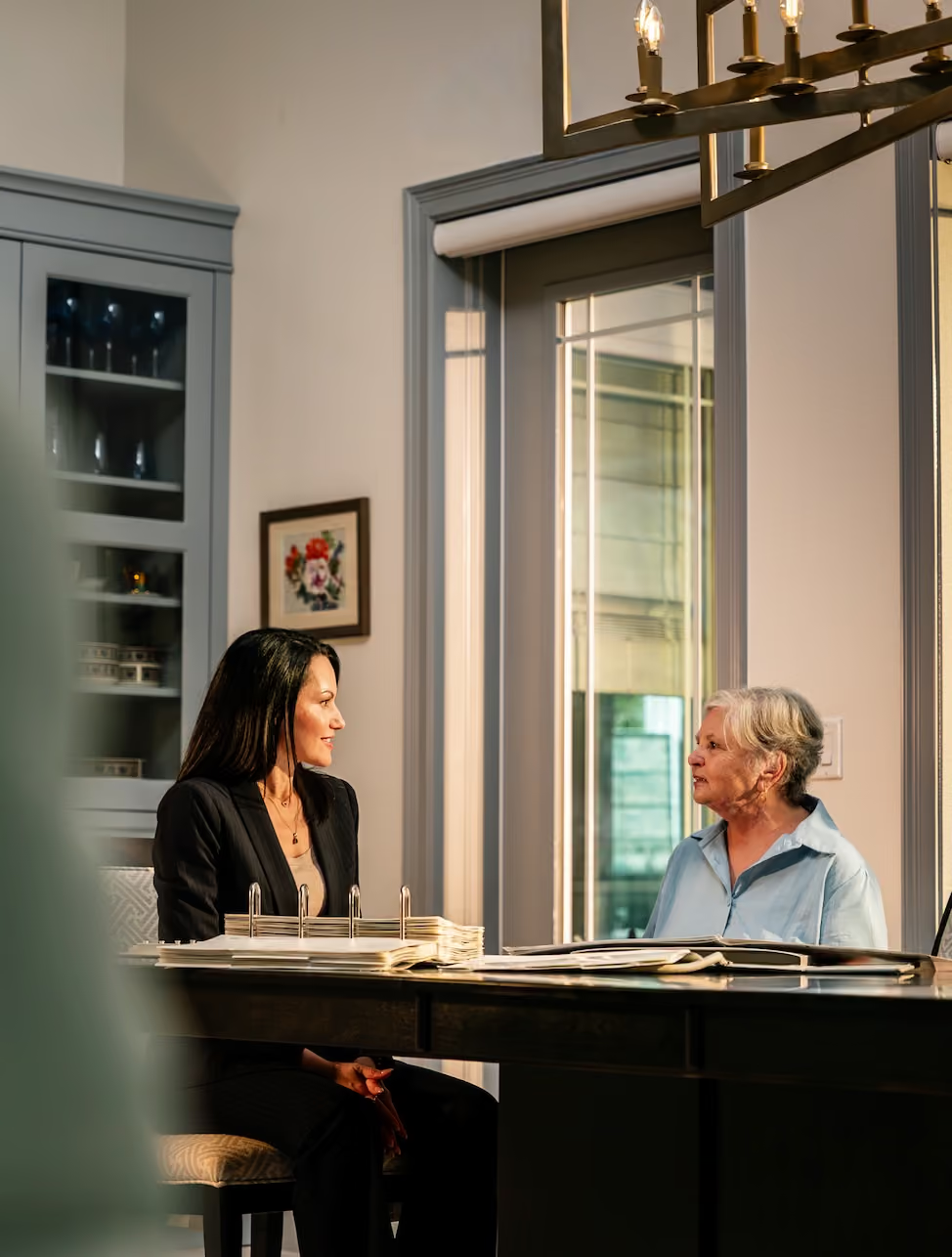
Window treatment designer reviewing fabric sample books with a homeowner at her dining table
FAQs

Your Questions, Answered

What's the difference between blinds, shades, and shutters?

Blinds are hard slats that tilt: wood, faux wood, metal, or fabric-wrapped, raised and lowered on a lift system. Shades are soft fabric panels that roll, fold, or stack. Shutters are hinged, framed panels fixed to the window like millwork. Blinds give you the finest light control per dollar of the three; shades give softness; shutters give permanence.

Which type of blinds is best for my room?

Quick version: faux wood or metal for wet and humid rooms, real wood for living spaces, verticals for sliders, fabric for rooms that want softness, and blackout configurations for bedrooms. The honest version depends on your light, your windows, and how the room is used, which is exactly what an in-home consultation sorts out.

Can blinds be motorized?

Yes. PowerView motorization is available across our blind lines, handling tilt, lift, or both depending on the product. It's the right call for tall windows, hard-to-reach openings, and anyone tired of wands and cords; everything runs from a remote, an app, or a schedule.

 Is it worth getting custom blinds?

If you plan to look at them and operate them daily for years, yes. Custom means measured fit, properly sized mechanisms, better materials, and installation by the people accountable for it, backed locally. Stock blinds are cheaper to buy and costlier to live with; ours are built once, correctly.

What materials are used to make custom blinds?

Genuine hardwoods, composite faux woods that handle humidity, aluminum in multiple slat widths, and woven fabric for vertical and horizontal applications. Every material is available across a deep range of colors and finishes, and all of it is in the showroom to touch before you decide.