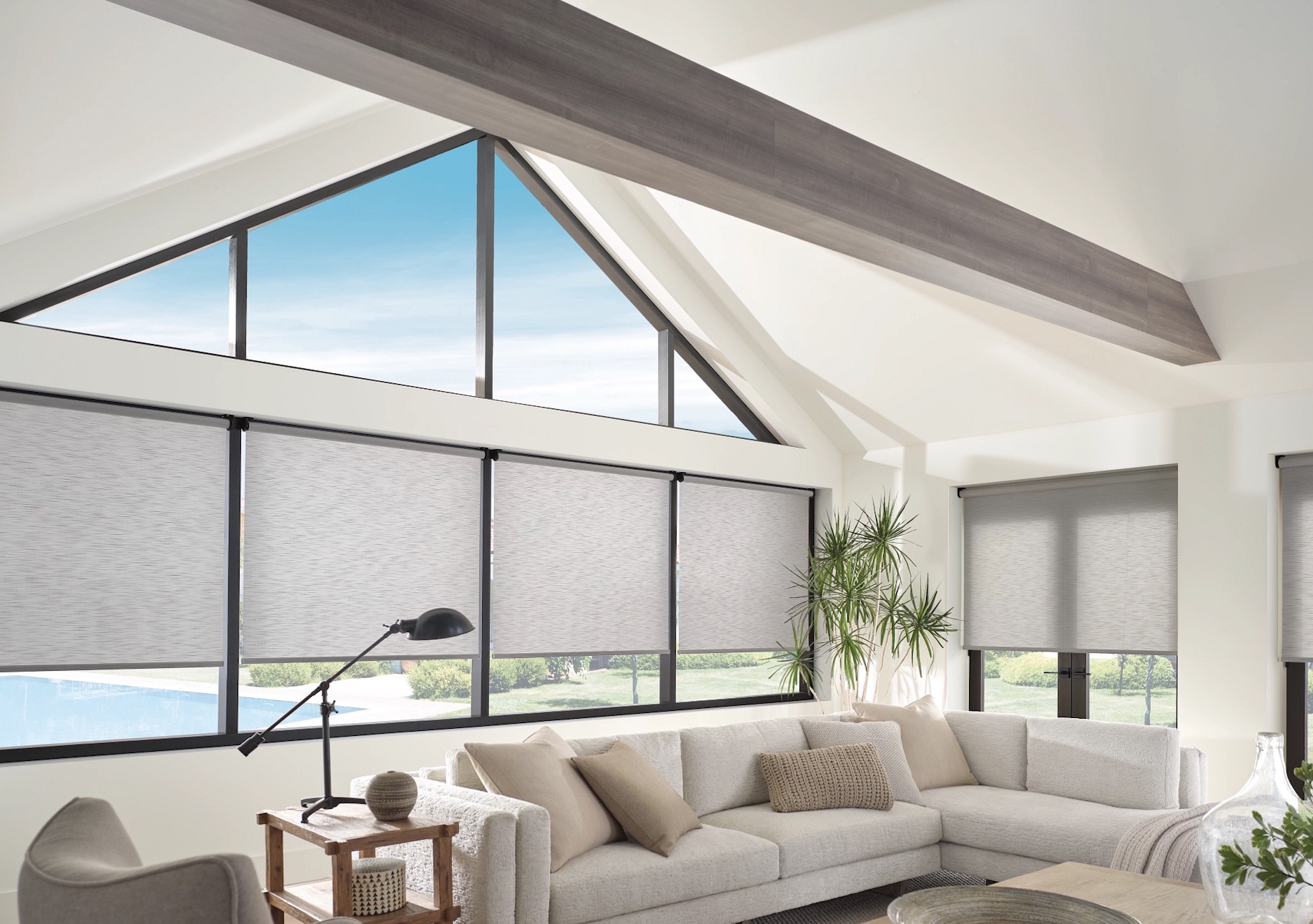
Sunlight filtering through layered banded sheer shades on two adjoining windows

Window Shades in Palm Coast

Seven shade styles, one promise: custom shades measured to your windows and matched to the way each room takes its light. It's the product family we're named for.

The Shade Family

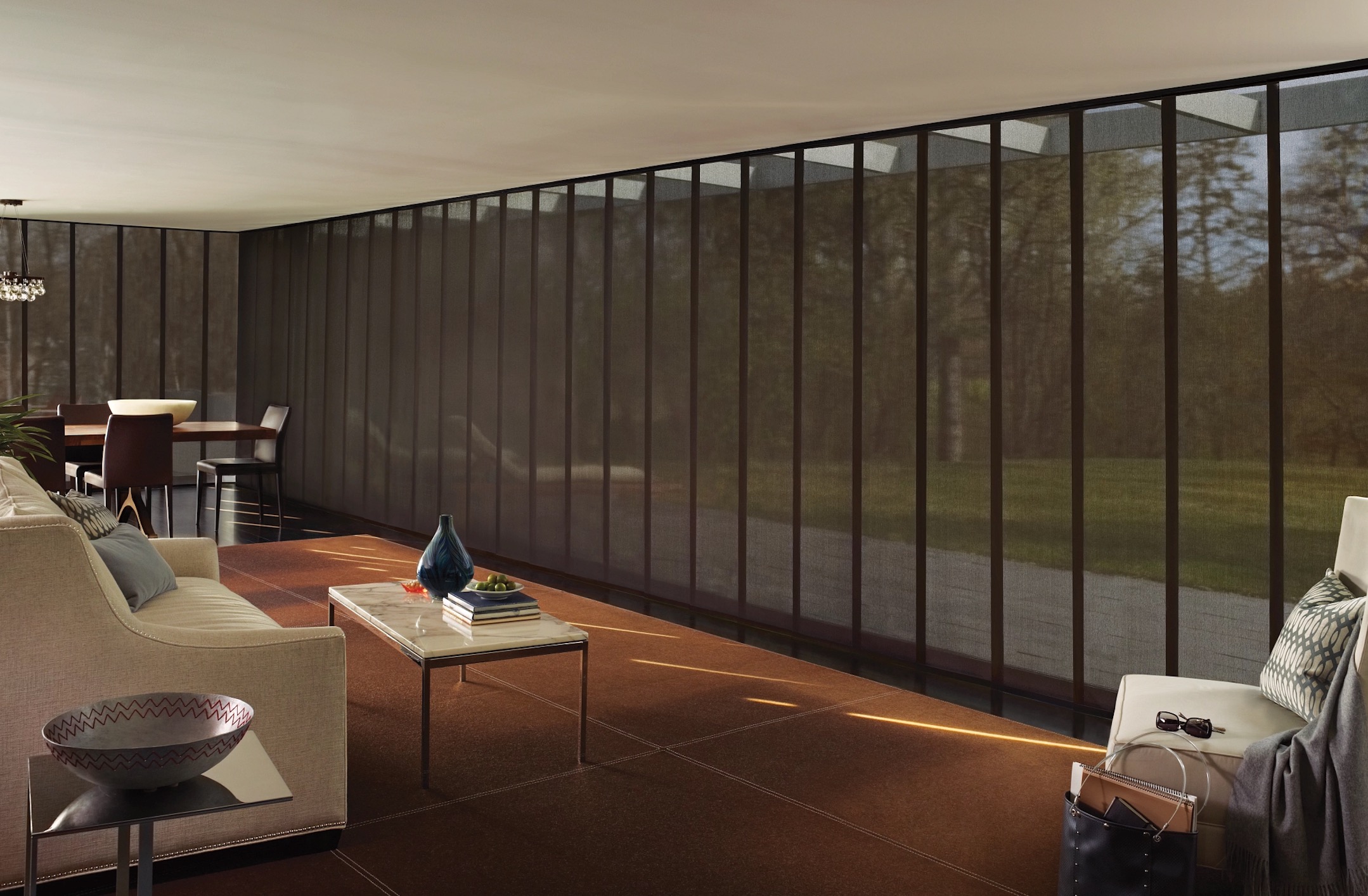
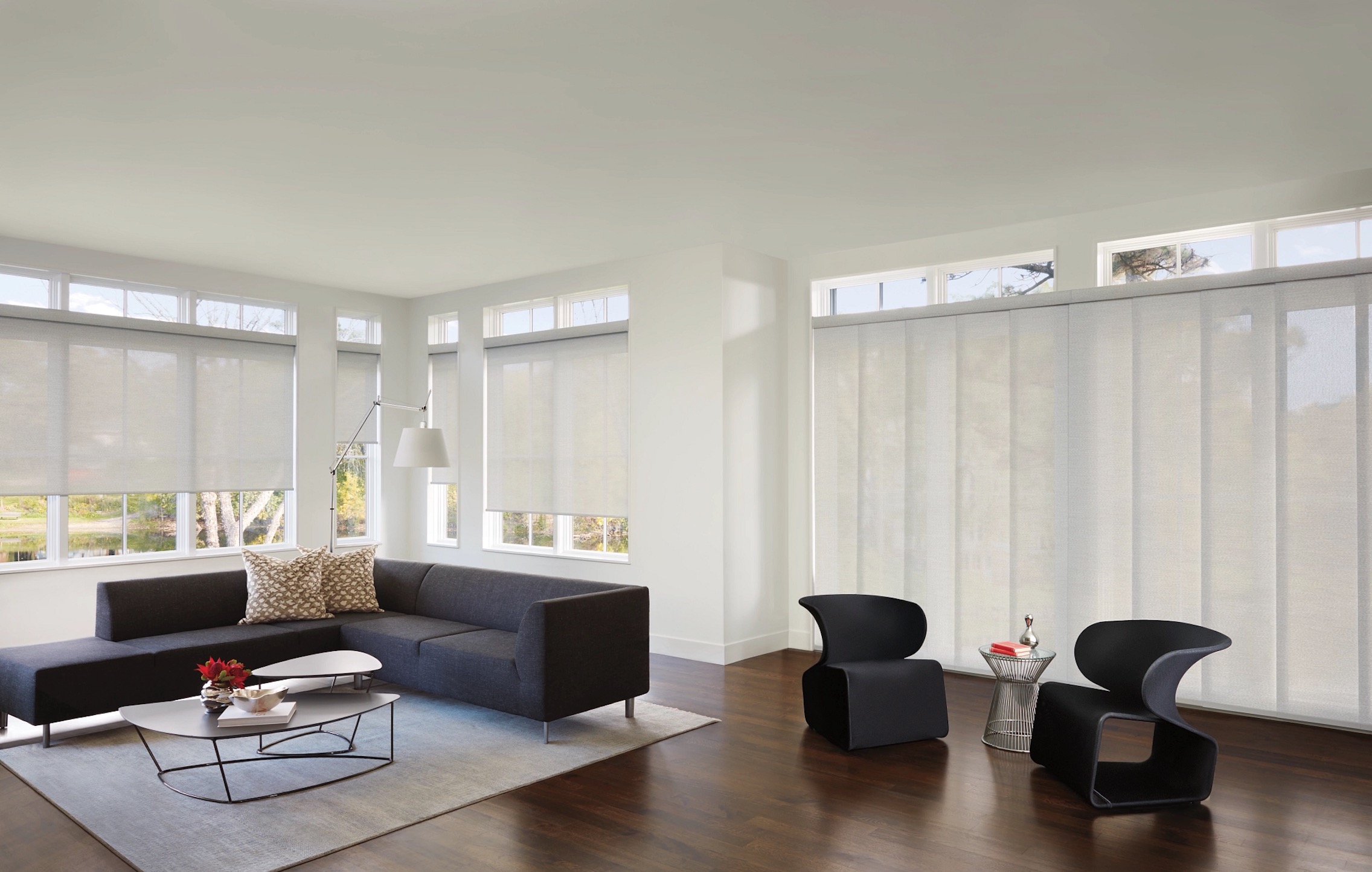
Grey woven-texture vertical panel track and roller shades in a high-rise living room with city views

Vertical Shades

Defined by soft folds and tailored fabric options, Roman shades combine elegance with versatility. Choose from light-filtering to room-darkening designs to achieve a classic look with modern performance.
Learn More
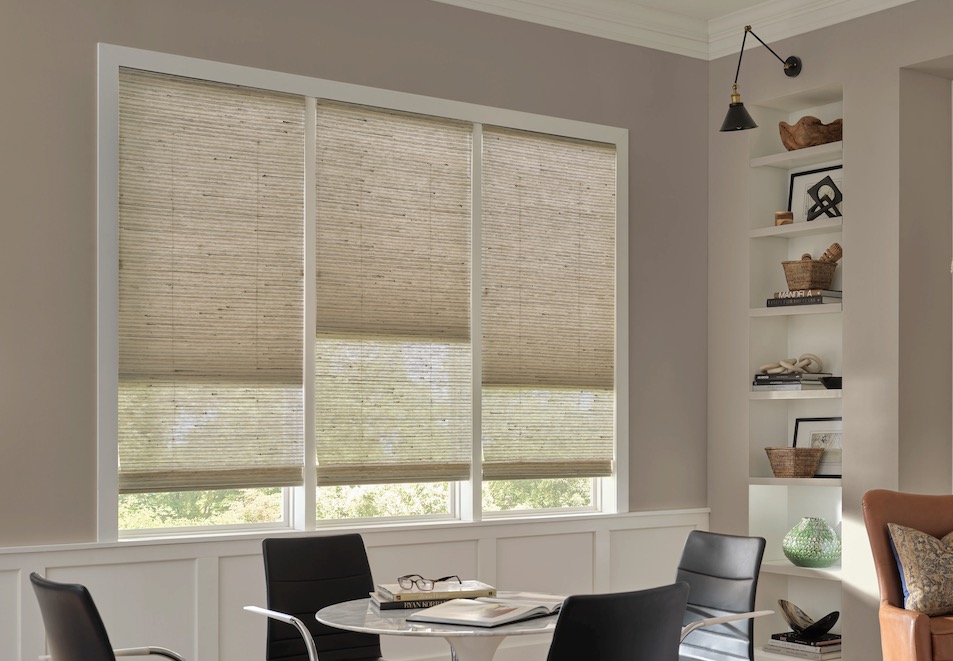
Natural woven wood shades half-raised on a three-panel window above a home office meeting table

Woven Shades

Natural bamboo, reeds, and grasses woven into shades that filter daylight into warmth and give coastal rooms a grounded, organic texture. Led by Hunter Douglas Provenance.
Learn More
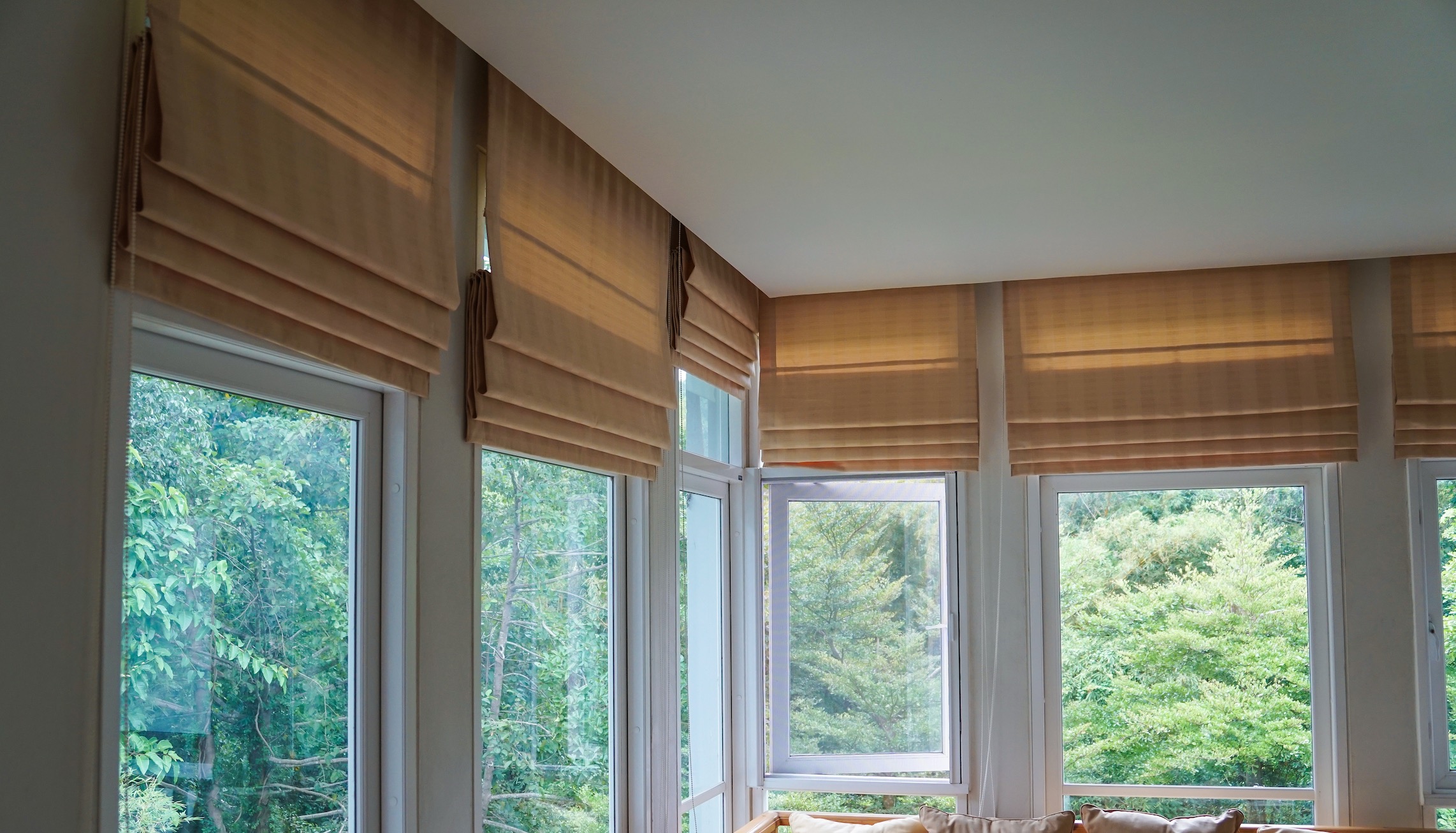
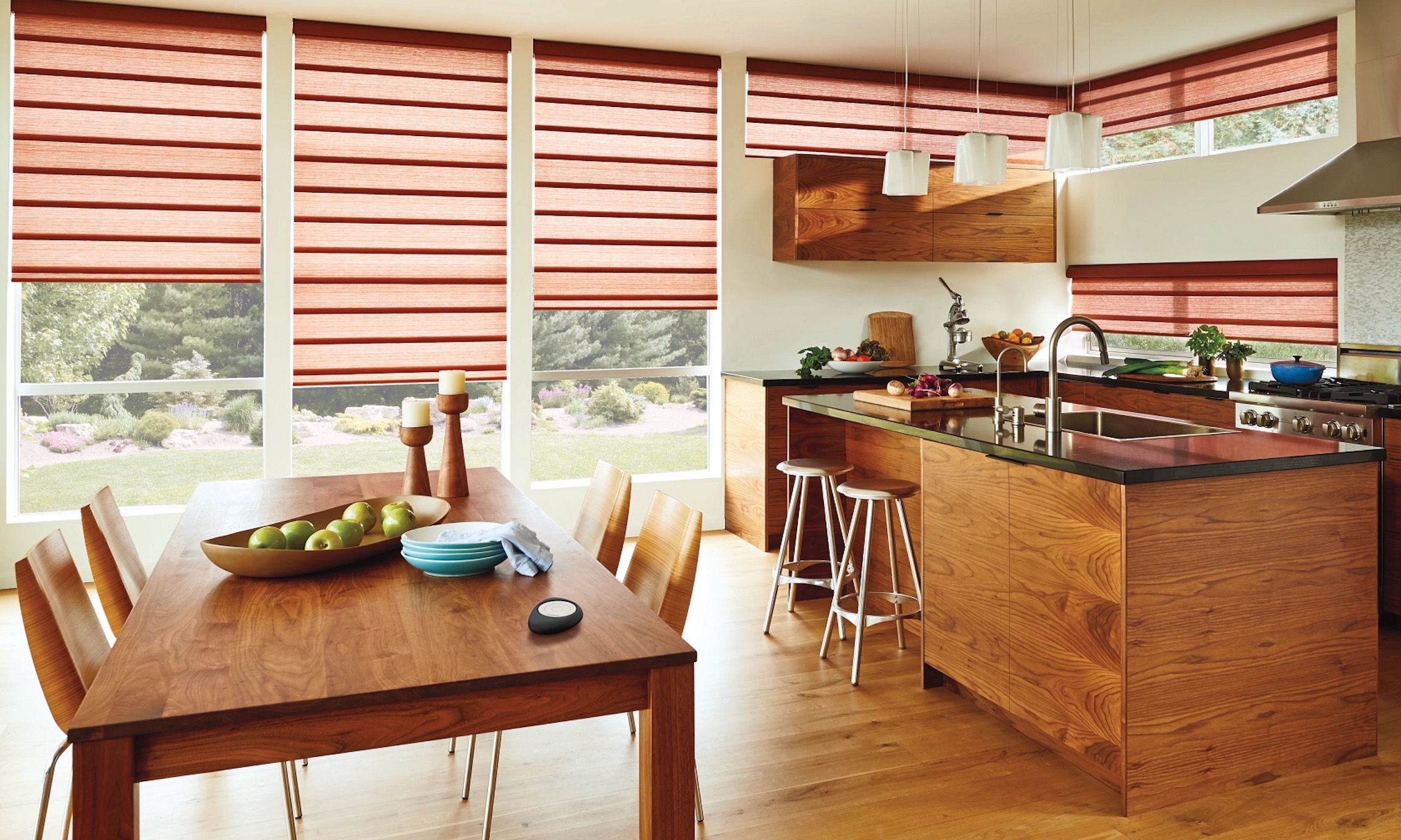
Tan fabric Roman shades lowered across a corner bank of windows facing woods

Woven Wood Shades

Bamboo, grasses, and reeds woven into shades that bring organic texture and filtered, honeyed light.
Learn More
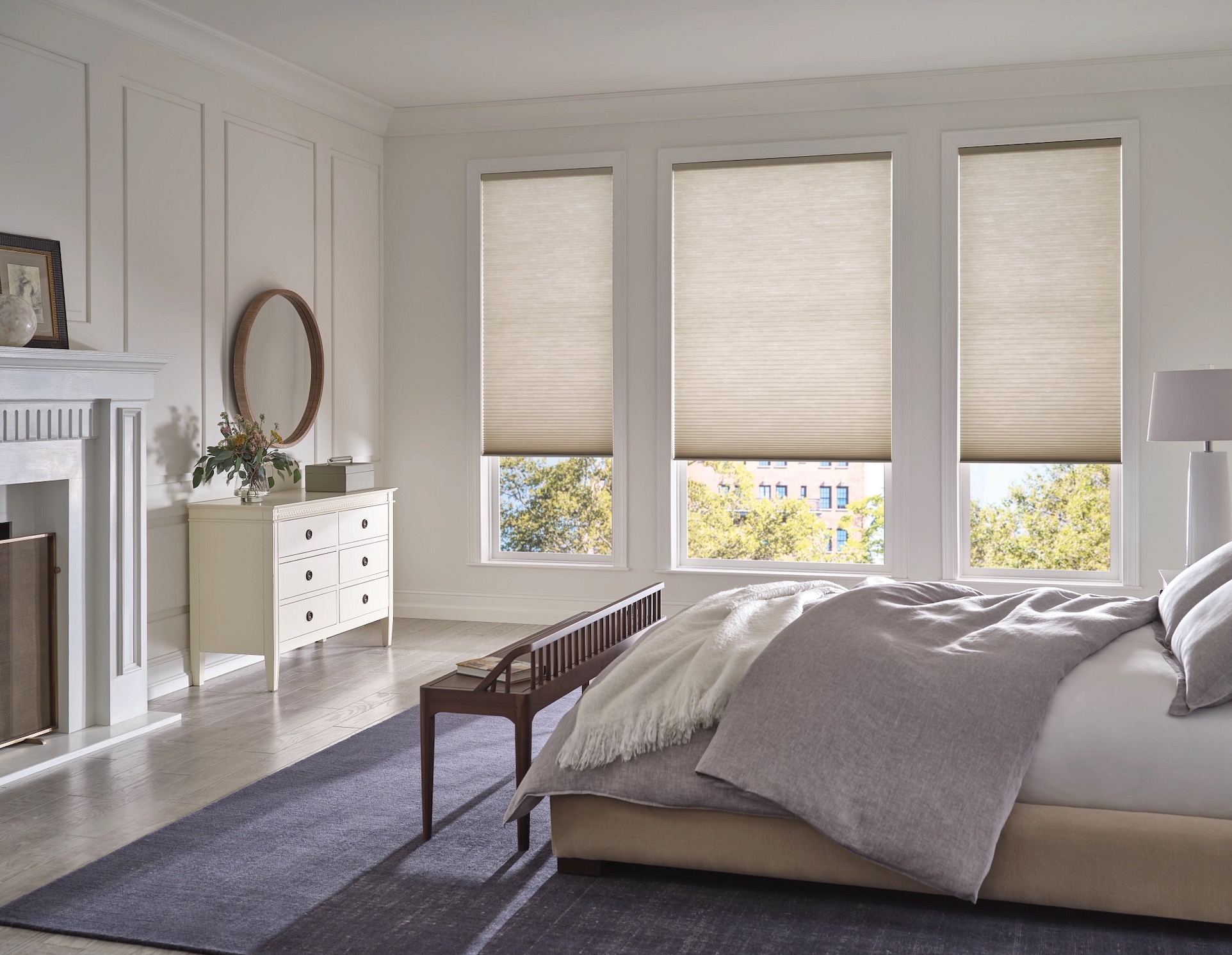
Cream cellular honeycomb shades half-lowered on three bedroom windows above a linen bed

Cellular and Insulating

Honeycomb shades that trap heat at the glass and quietly lower the temperature of a Florida afternoon.
Learn More
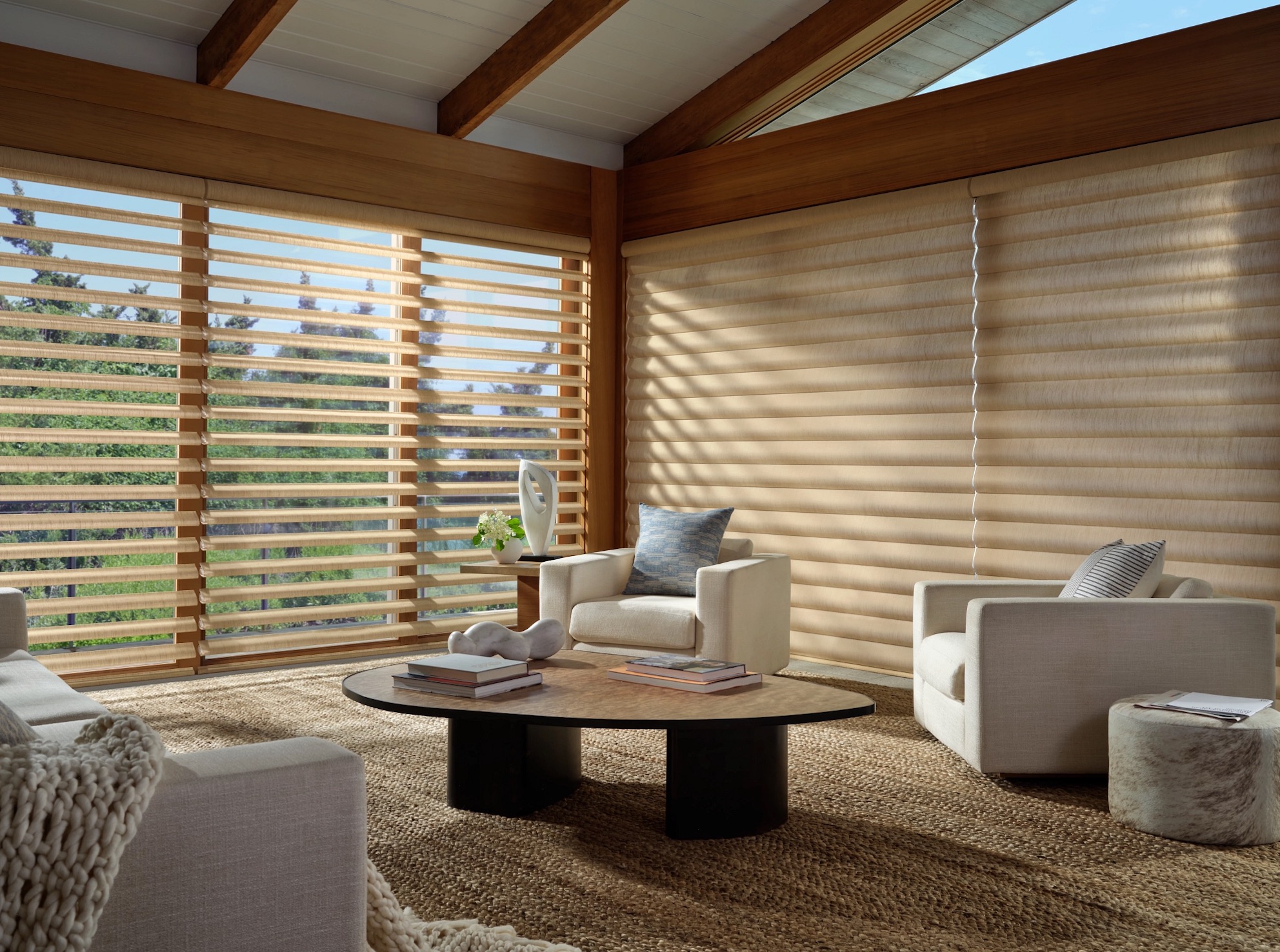
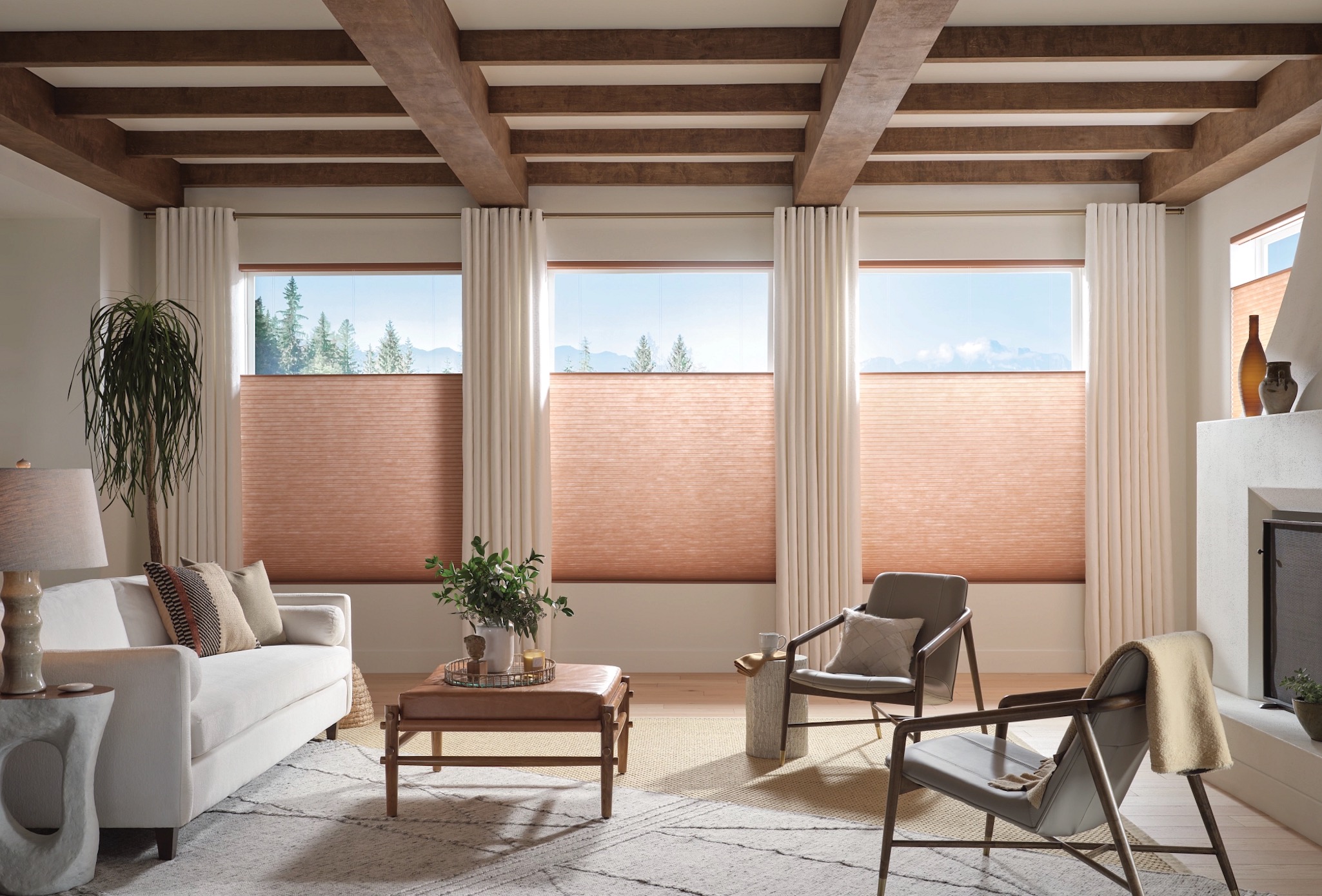
Sheer shades in a wood-beamed living room, vanes open on one wall and closed on another

Sheer and Light-Diffusing

Silhouette, Pirouette, and Luminette: the Hunter Douglas icons that turn hard sun into soft, dimensional light.
Learn More
Natural woven wood Roman shades on tall bedroom windows overlooking a lake

Roman Shades

Fabric that folds into soft, tailored pleats, bringing drapery's warmth in a shade's tidy footprint. Flat or relaxed folds, including Hunter Douglas Vignette.
Learn More
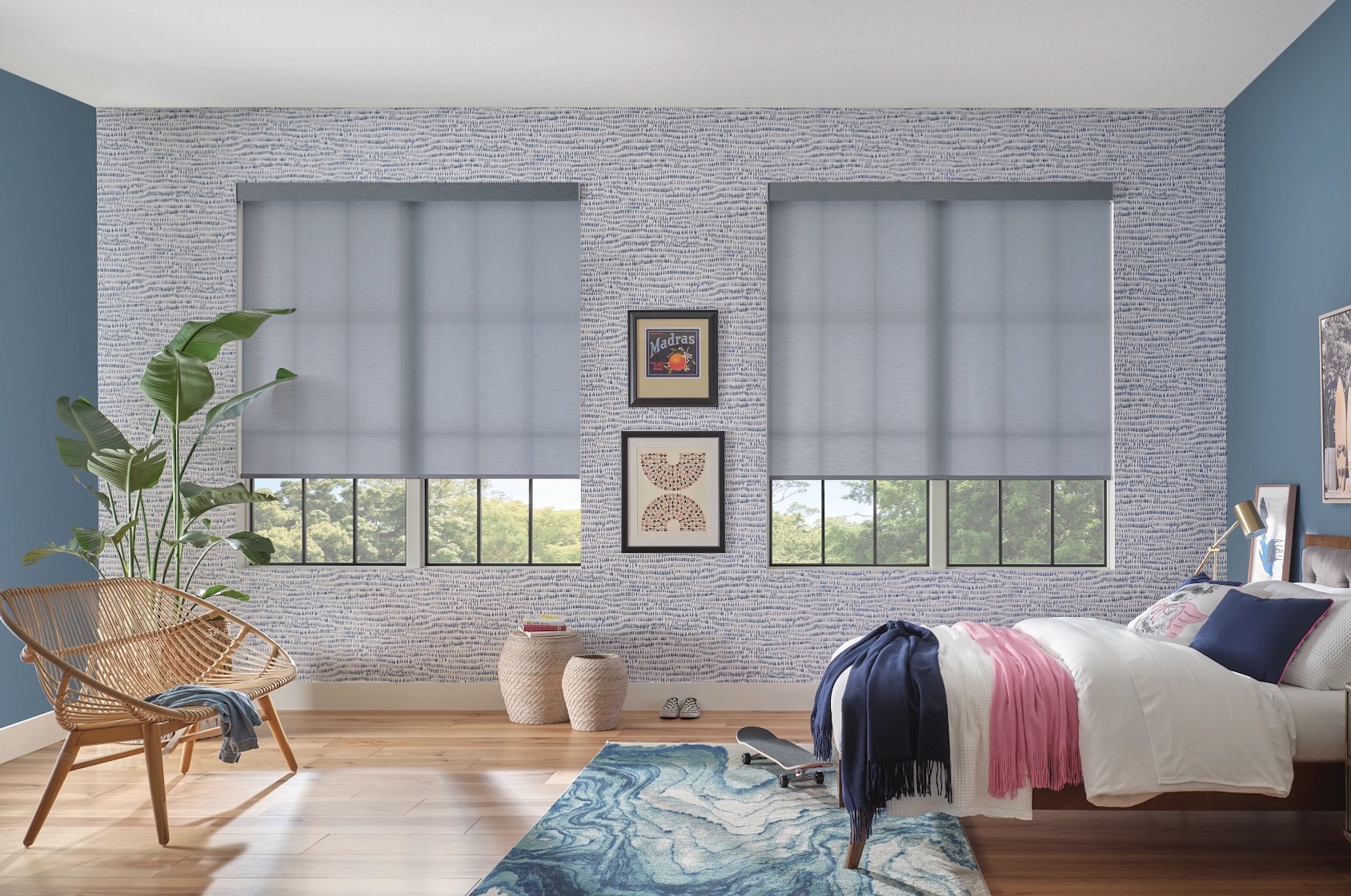
Grey roller shades partly lowered over two bedroom windows in a blue kids room

Roller Shades

The cleanest line in the family: one plane of fabric from light-filtering to full blackout, minimal at the window and available motorized.
Learn More
Charcoal pleated shade lowered over a wide dining nook window above a banquette and round wood table

Solar Shades

Sunglasses for your windows: technical screen fabrics that cut glare, heat, and UV on view glass while keeping the scenery in plain sight.
Learn More
Why Choose Shade №7

Designed Just For You

Transform your space with our custom-made window treatments.

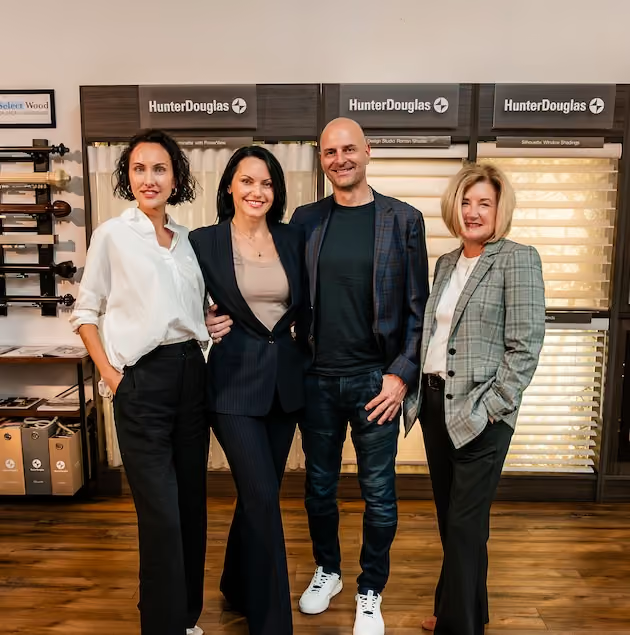
Four Shade No. 7 team members in the showroom in front of Hunter Douglas shade and shutter displays

Consult With Our Experts

Contact us and an expert will help you to choose the perfect product for your home.
Specialist adjusting the bottom rail of a sheer horizontal shade at a window

Professional Measurements

After discussing all the details of your project, our professionals will measure your windows and provide you with a quote.
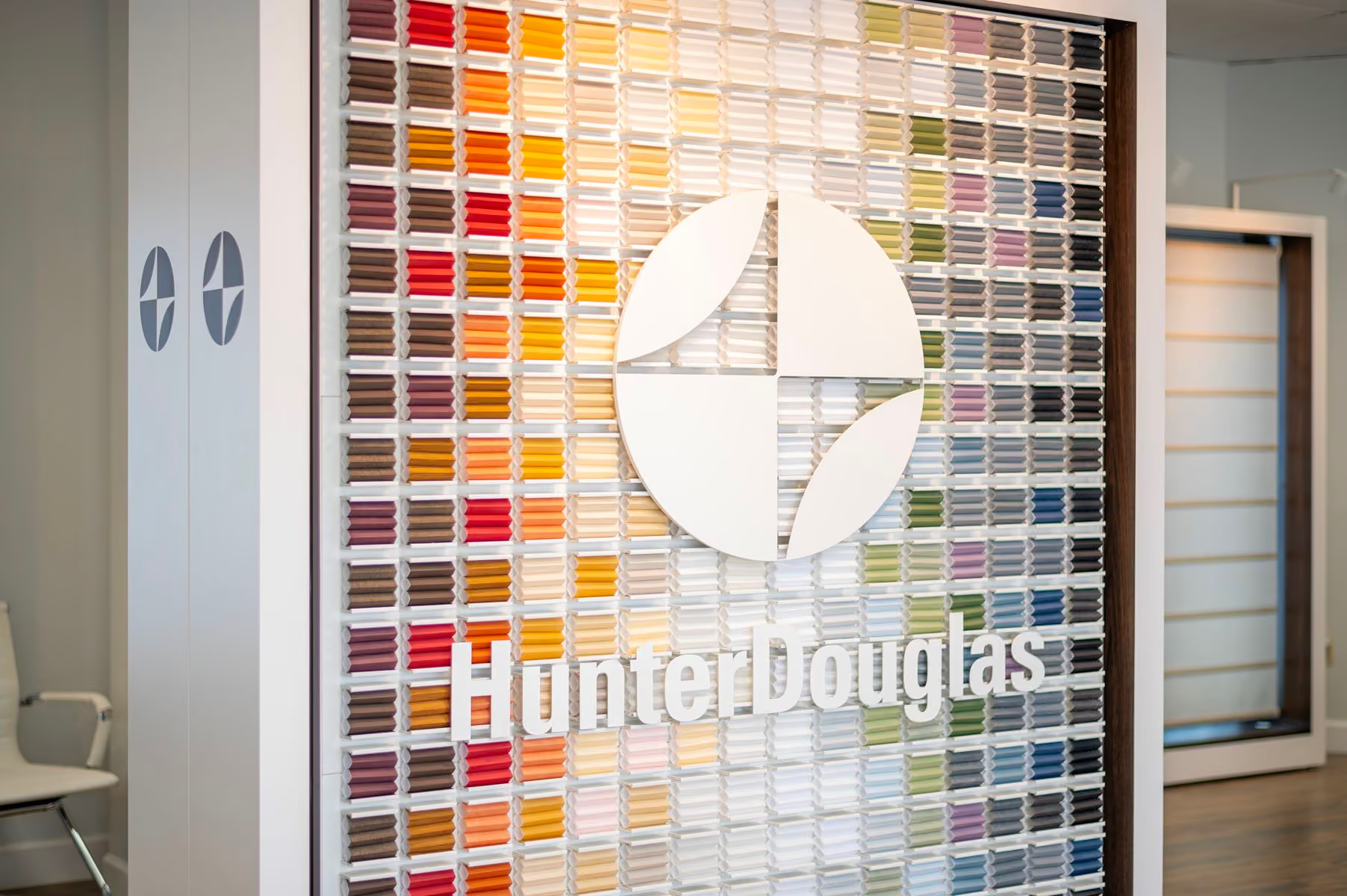
Hunter Douglas showroom display wall of fabric and slat color samples arranged by color

Certified Hunter Douglas Installation

We provide a full-service solution that handles all aspects of installation.
The Details

Why Shades From Us

Shades are our namesake for a reason. Every one we sell is custom built, and most of what makes window shades feel premium happens in the spec and the install.
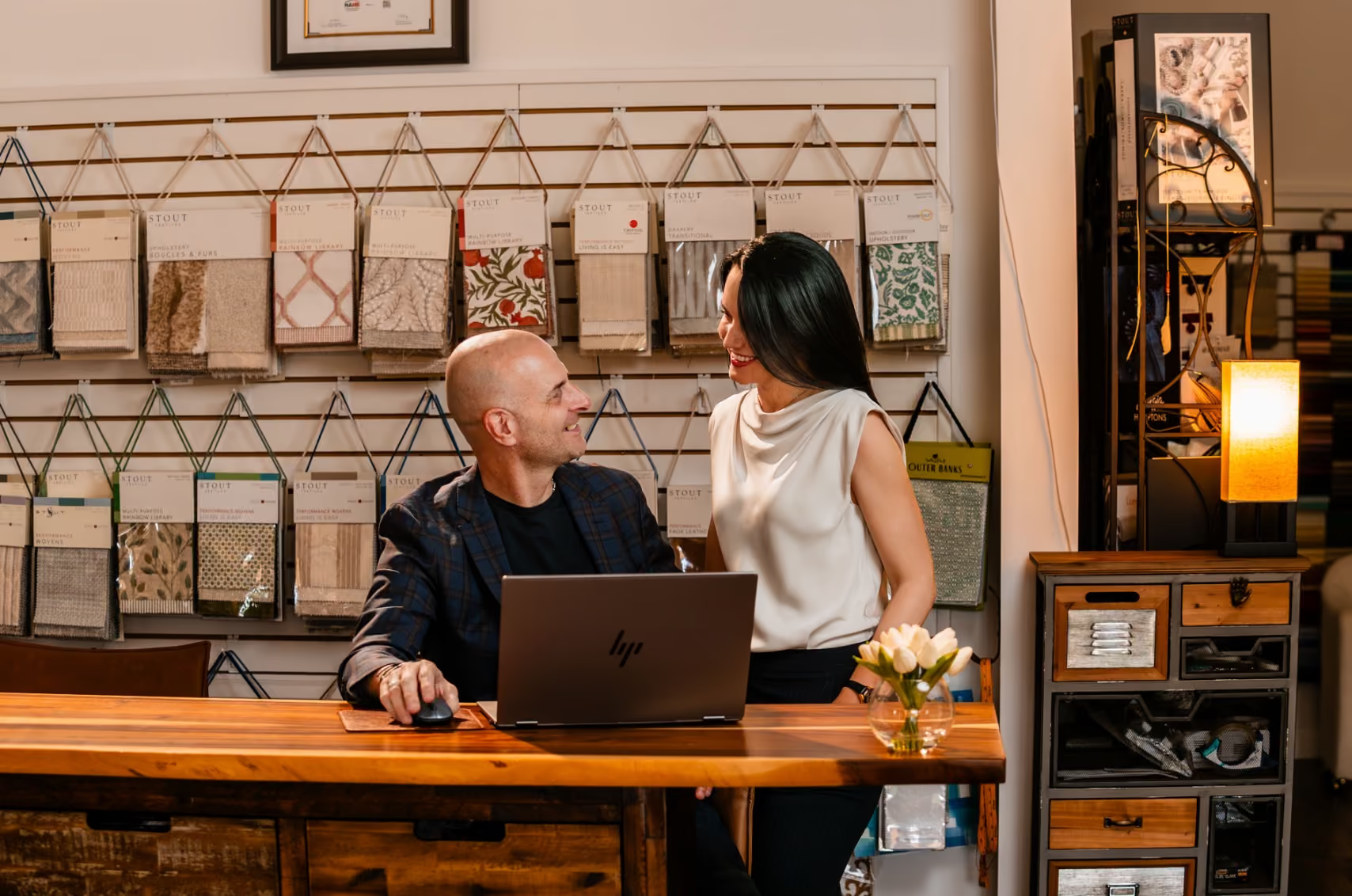
Two Shade No. 7 team members at a showroom desk with a laptop below a wall of fabric sample books

Fabric-First Selection

Opacity chosen room by room, from glow-through sheers to true blackout shades for serious sleepers.
Installer with a drill and ladder checking two windows fitted with sheer horizontal shades

Measured and Made

Every shade is built to a measured opening, so edges seal light instead of leaking it.
Consultant showing a homeowner shade options on a tablet during an in-home consultation

PowerView Throughout

Motorization is available across the entire shade family, from one bedroom window to a whole glass wall.
Sunlight filtering through layered banded sheer shades on two adjoining windows

Showroom Proof

Working displays of every style, so you can operate the real thing before choosing.

How a Project Works

[Stage 1] Talk It Through

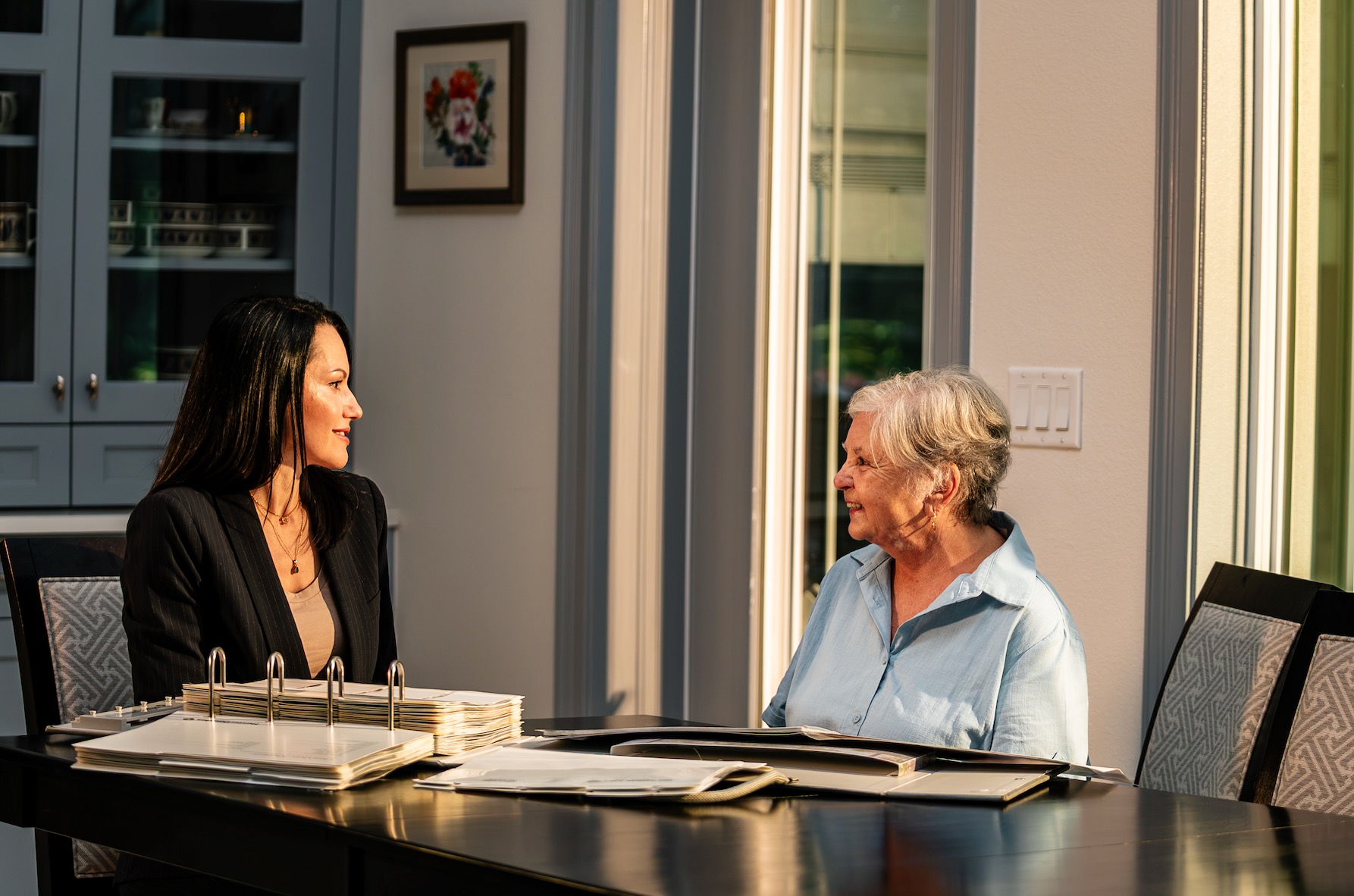
Start in our showroom or book an in-home consultation. We listen first: how the room is used, what the light does, what's been bothering you.

Designer and homeowner talking through window covering options with sample binders in a sunlit dining room

[Stage 2] Design and Decide

We narrow the options to what actually fits your windows, your style, and the way you live, with real samples in your hands.

Hands turning through a window covering sample book showing blind and shade swatches

[Stage 3] Measure and Make

We measure every opening ourselves, then your treatments are custom built to those exact dimensions. No stock sizes, no almost-fits.

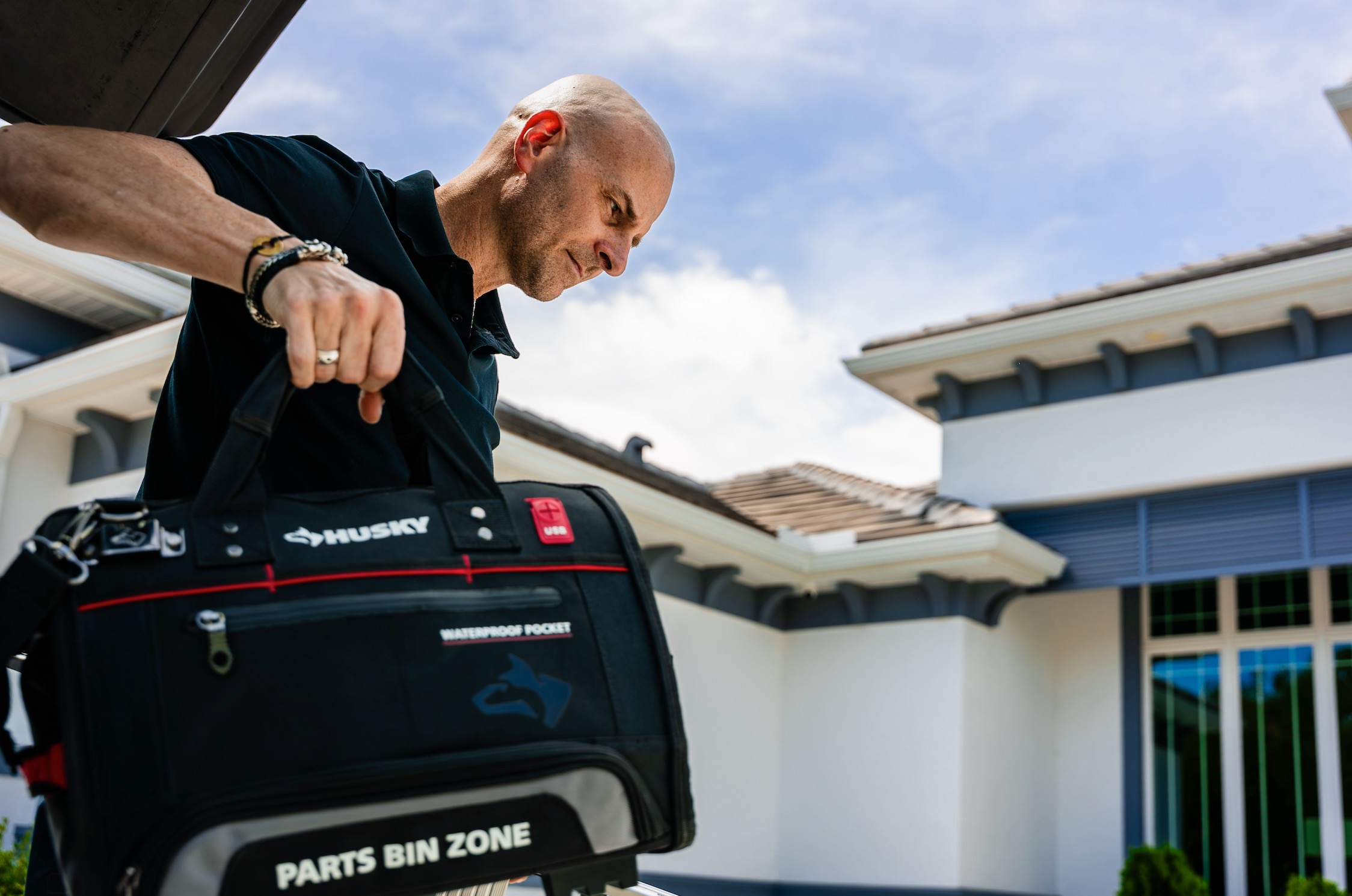
Installer lifting a tool bag from his vehicle outside a home before a window treatment install

[Stage 4] Install and Enjoy

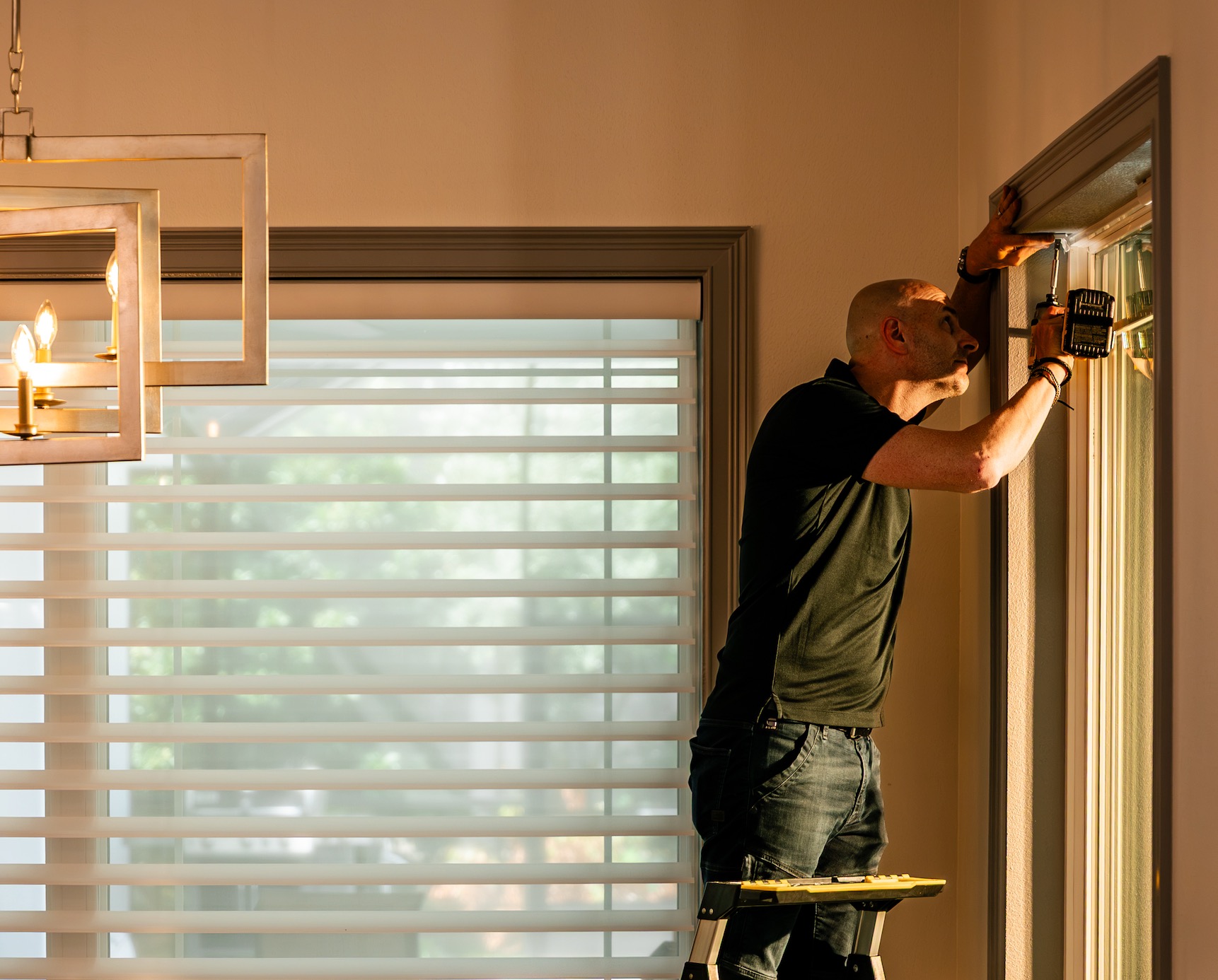
Our installer hangs every piece, dials in the operation, and walks you through it. We don't leave until it works the way it should.

Installer on a step ladder drilling a mounting bracket above a window beside sheer horizontal shades
[Stage 1] Talk It Through
[Stage 2] Design and Decide
[Stage 3] Measure and Make
[Stage 4] Install and Enjoy
Designer and homeowner talking through window covering options with sample binders in a sunlit dining room
Hands turning through a window covering sample book showing blind and shade swatches
Installer lifting a tool bag from his vehicle outside a home before a window treatment install
Installer on a step ladder drilling a mounting bracket above a window beside sheer horizontal shades
Shades is the broadest category at the window, which is why it's also where the most mistakes get made. Here's how we narrow seven styles down to your rooms.

Choosing the Right Shade

Start With What the Room Needs

Every shade decision reduces to three questions: how much light should pass, how much view should remain, and how dark must the room get at night. A west-facing living room with a view wants diffusion, so sheer styles lead. A bedroom wants darkness, so cellular or roller with blackout fabric leads. A lanai-side wall fighting heat wants solar or honeycomb insulation. When homeowners ask us for window shades for house projects covering many rooms, we run each room through those questions separately; the right house rarely wants one answer everywhere.

The Styles, In One Breath

Sheer shadings (Silhouette, Pirouette, Luminette) float fabric vanes in light for the signature glow. Cellular honeycombs (Duette, Sonnette, Applause) insulate, which in Florida means heat out. Roman styles, led by Vignette, fold fabric into tailored soft architecture. Rollers and banded Designer styles keep things minimal and crisp. Woven woods add organic texture, verticals handle sliders, and solar screens cut glare and heat while preserving the view. All seven live as custom shades Palm Coast homeowners can see working in our showroom before deciding.

Custom Is the Whole Point

A shade is a precision object: a few millimeters of slack at the edges becomes a stripe of light at six in the morning. So we measure every opening ourselves, spec the fabric and lift to the window, and install with the brackets level and the limits set. Whether it's one stubborn window or thirty, the finished result is the same: shades that fit like they were built for the house, because they were.

Two practical notes before you choose. First, the window shades Palm Coast sun demands are often two different products in one house: insulating honeycombs on the heat-struck side, view-preserving sheers or solars on the scenery side, and that mix is normal, not indecisive. Second, motorization is worth deciding early, because power planning is easiest before ordering. Both conversations take minutes in the showroom, where every style on this page hangs working. Operate them all, watch what each does to the light, and the shortlist for your own rooms tends to write itself.
FAQs

Your Questions, Answered

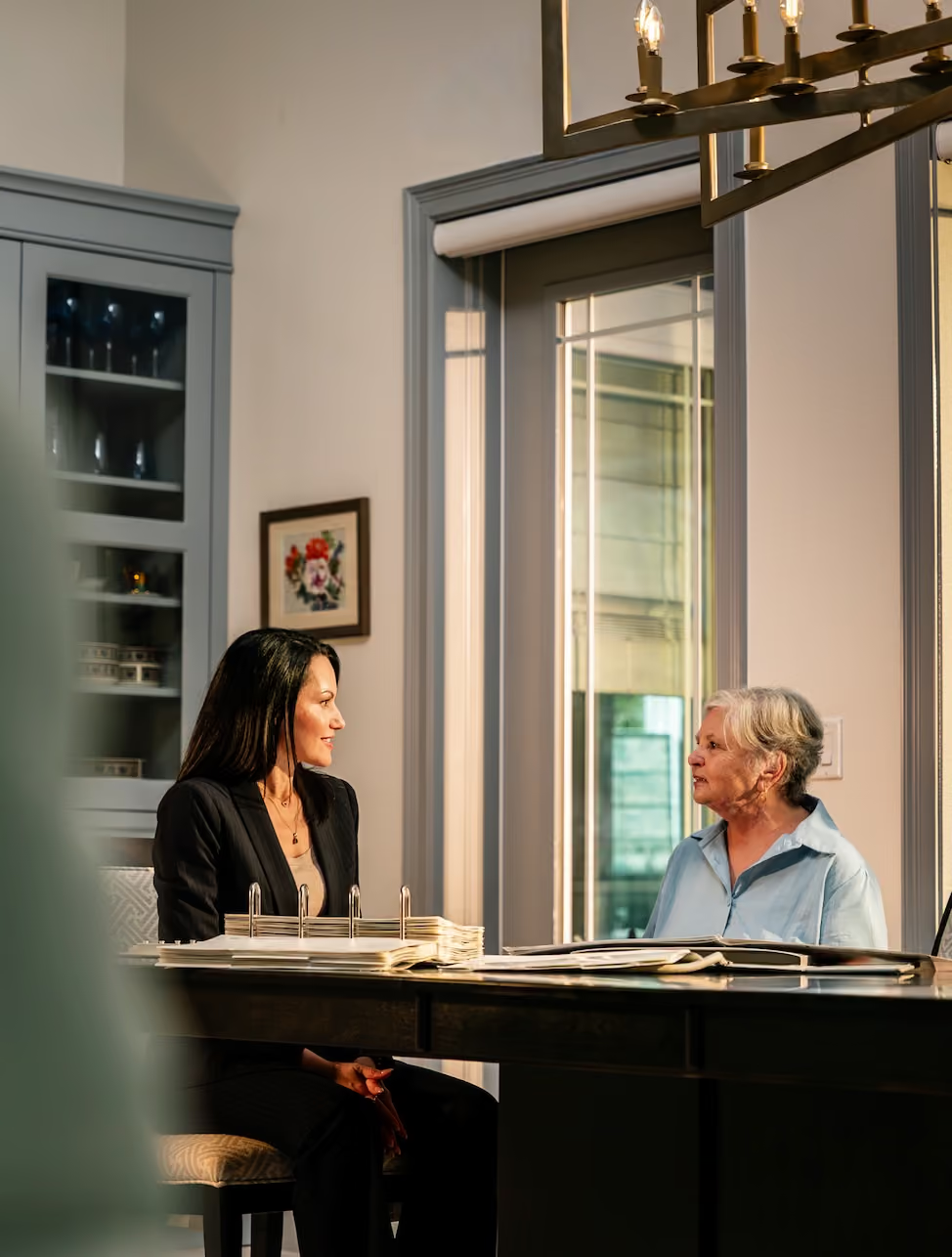
Window treatment designer reviewing fabric sample books with a homeowner at her dining table
FAQs

Your Questions, Answered

What's the difference between shades, blinds, and drapery?

Shades are continuous soft panels that roll, fold, or stack; blinds are hard slats that tilt; drapery is sewn fabric hanging from hardware. Shades win on clean looks and fabric variety, blinds on slat-level light control, drapery on softness and finish, and plenty of rooms layer two of the three.

Which type of shades is best for energy efficiency in Florida?

Cellular honeycombs, by a comfortable margin. Their air pockets insulate at the glass, blunting the heat a Florida window pumps into a room all afternoon. Solar shades are the other specialist, cutting radiant heat and glare on view windows. Plenty of homes use both, room by room.

Can window shades be motorized?

Yes, the entire family. PowerView automation runs everything from a single bedroom roller to banks of Silhouettes on a schedule, controlled by remote, app, or voice. It's the upgrade we install most on tall windows, sliders, and second-home setups managed from out of state.