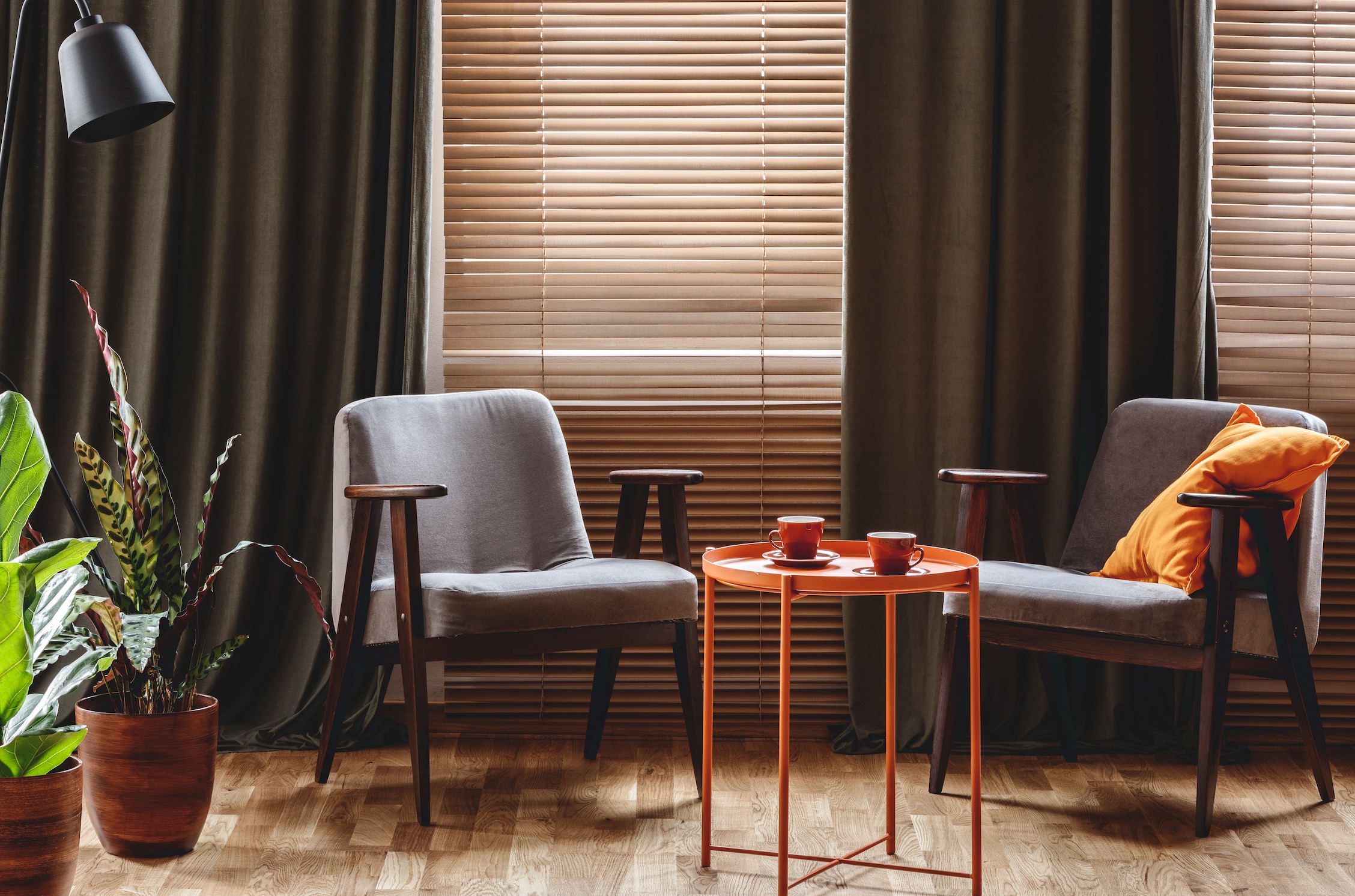


Floor-length taupe drapery panels over sheers behind a rocking chair and knitted pouf

Drapery in Palm Coast

From Hunter Douglas woven woods to floor-sweeping sheers, this is the full drapery family. Every drapery Palm Coast project is measured, fitted, and installed by our own team.

The Drapery Family

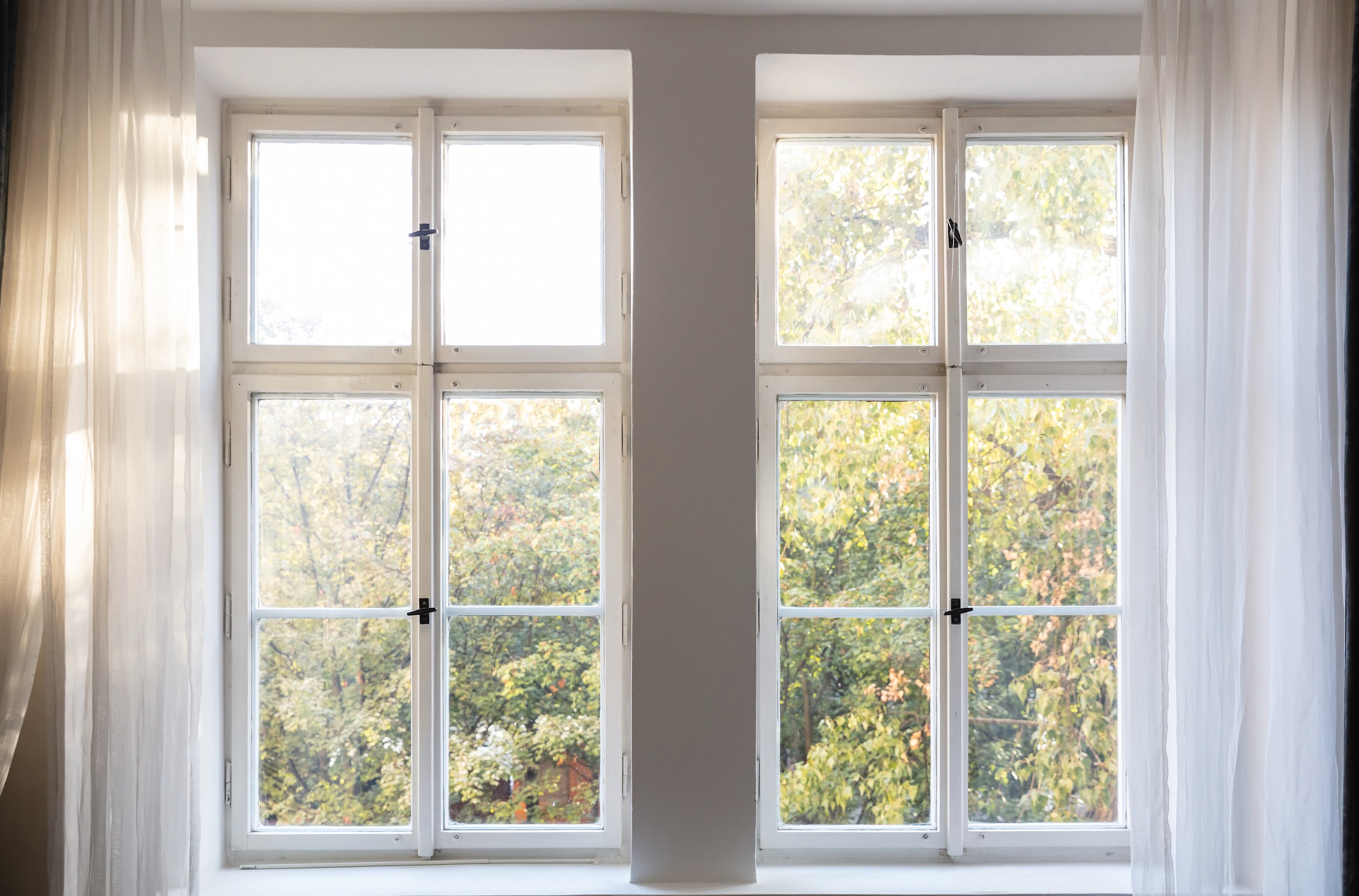
Empty light wood tabletop in front of soft-focus white sheer curtains and garden greenery

Sheer Drapes

Light-washed panels that soften glare and frame the view without ever closing the room off.
Learn More
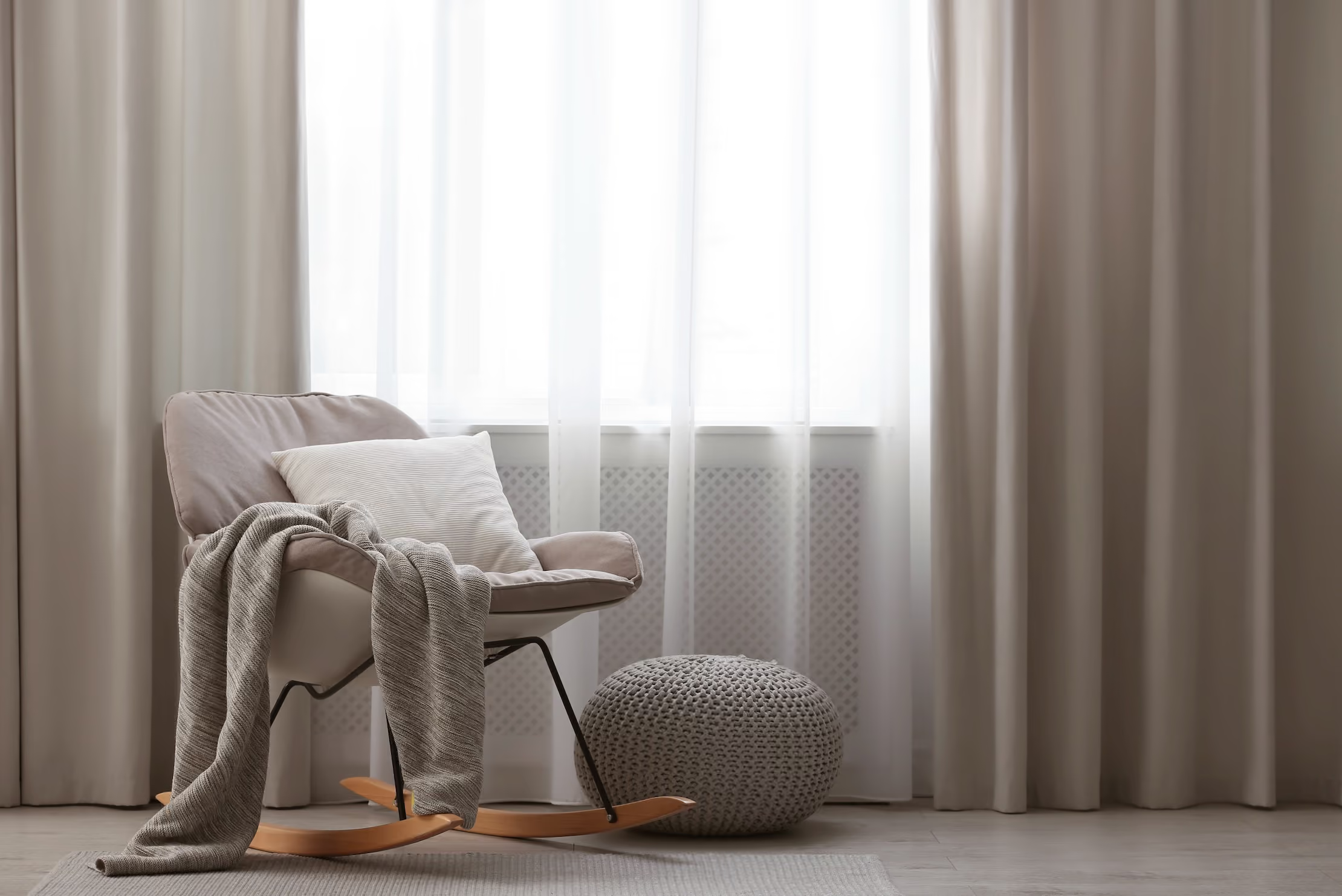
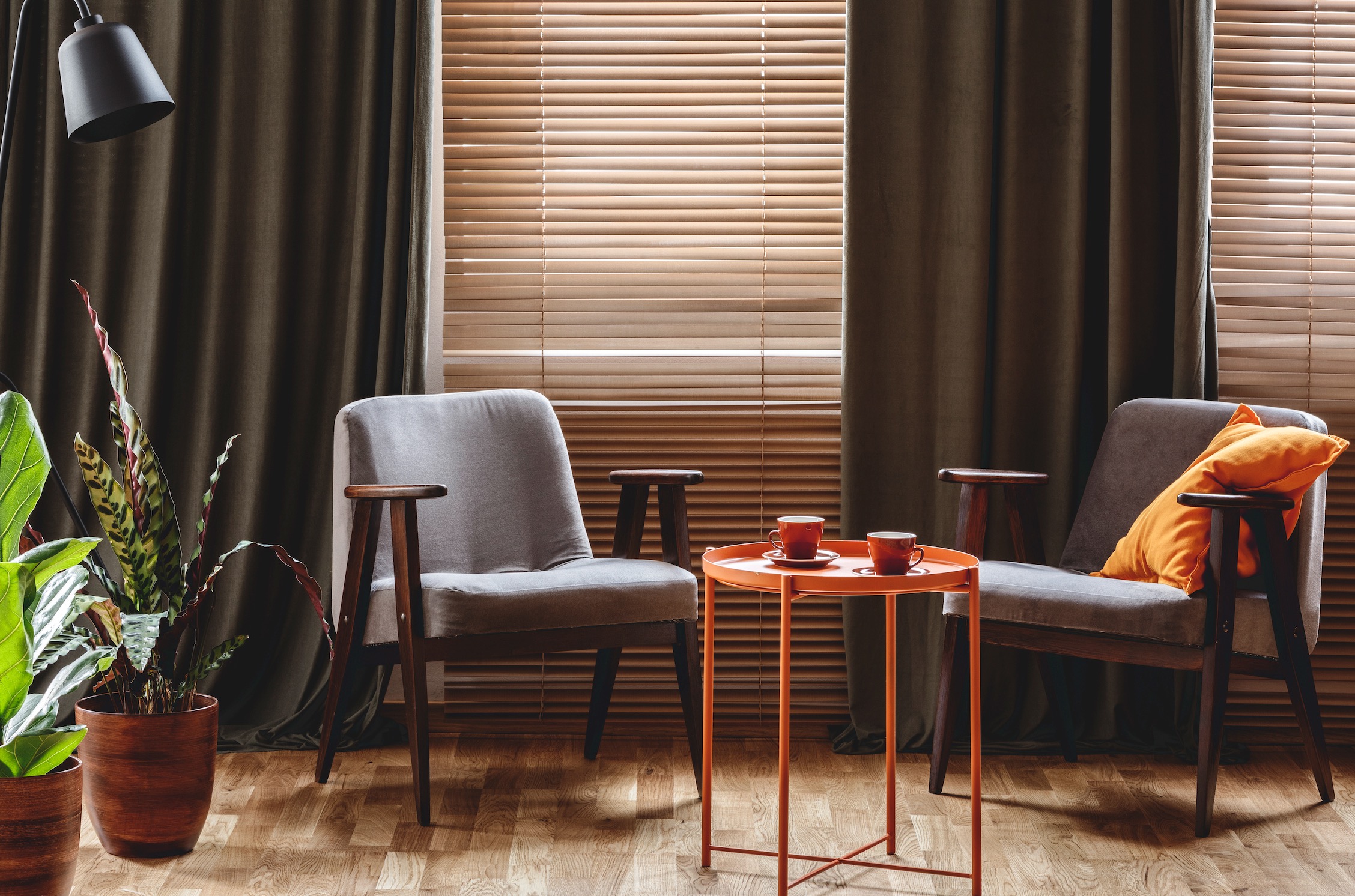
Olive drapery panels framing wood blinds behind two mid-century armchairs

Custom Fabric Drapery

Made-to-measure panels in the fabric, header, and length your room actually calls for.
Learn More
Why Choose Shade №7

Designed Just For You

Transform your space with our custom-made window treatments.

Four Shade No. 7 team members in the showroom in front of Hunter Douglas shade and shutter displays

Consult With Our Experts

Contact us and an expert will help you to choose the perfect product for your home.
Specialist adjusting the bottom rail of a sheer horizontal shade at a window

Professional Measurements

After discussing all the details of your project, our professionals will measure your windows and provide you with a quote.
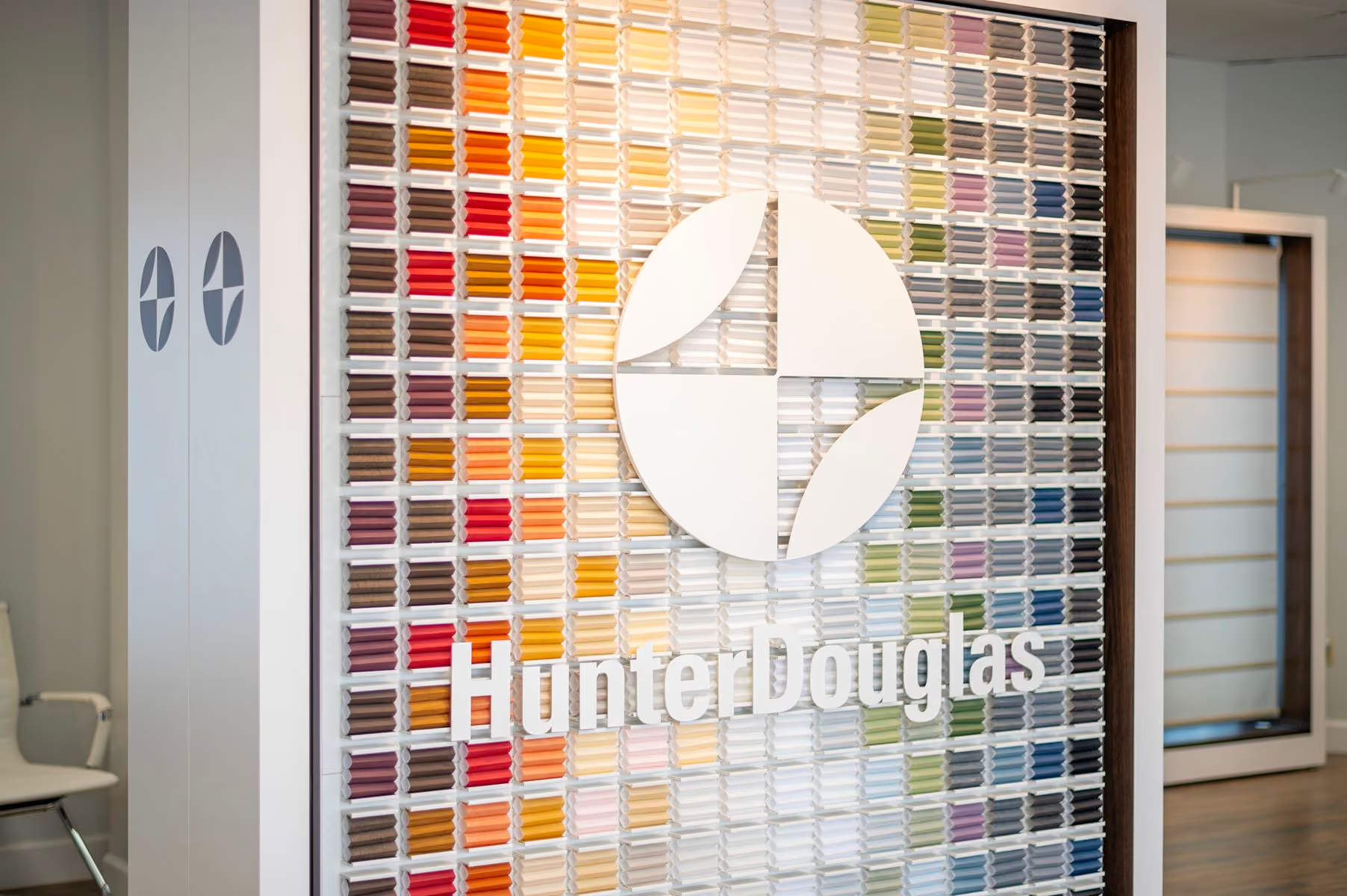
Hunter Douglas showroom display wall of fabric and slat color samples arranged by color

Certified Hunter Douglas Installation

We provide a full-service solution that handles all aspects of installation.
Made to Measure

Why This Drapery Hangs Better

 A window curtain off a shelf is a rectangle. Custom drapery is engineered: weighted hems, matched patterns, and fullness calculated to your windows.
Installer raising a textured brown shade at a sunlit window

True Custom Sizing

Every panel is cut to your measured window and ceiling height, so hems kiss the floor instead of guessing at it.
Designer laying out drapery fabric, trim and hardware samples on a consultation table

Pattern Matching

Repeats aligned across panels and seams, the detail that quietly separates custom from catalog.
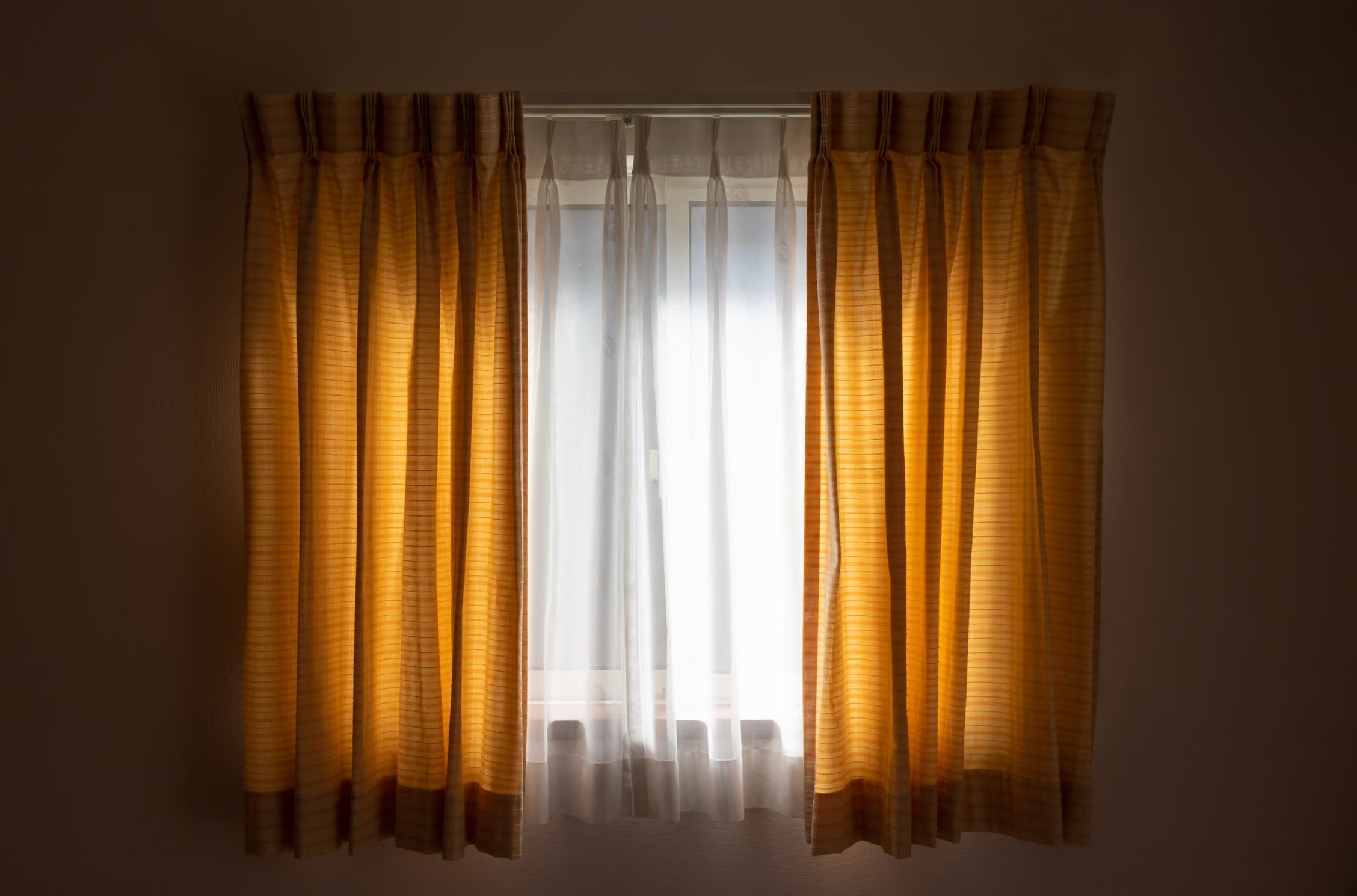
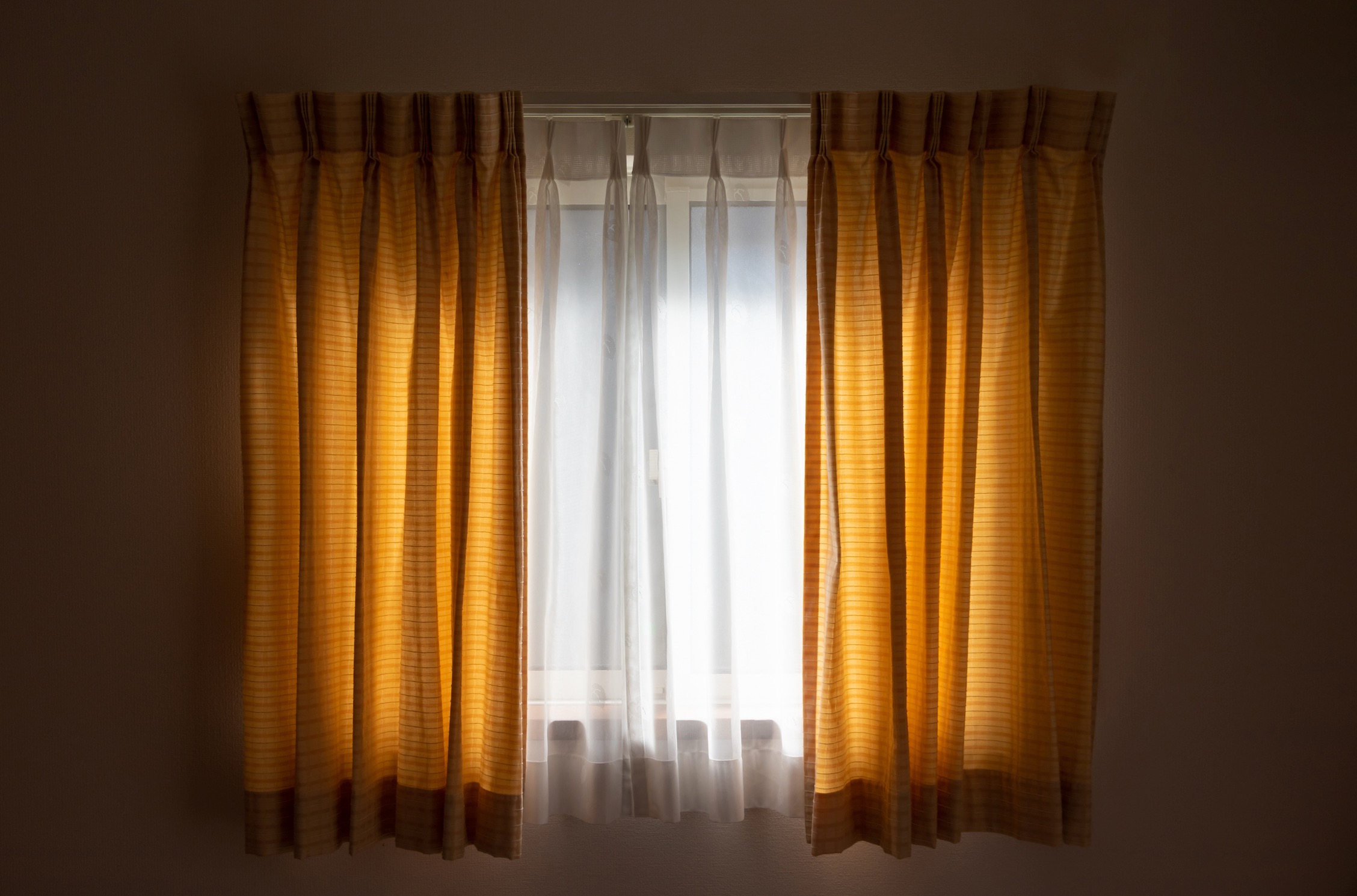
Gold pinch-pleat drapery layered over white sheer curtains at a window

Linings That Work

Light-filtering, room-darkening, and thermal linings chosen for the room's sun, not as an afterthought.
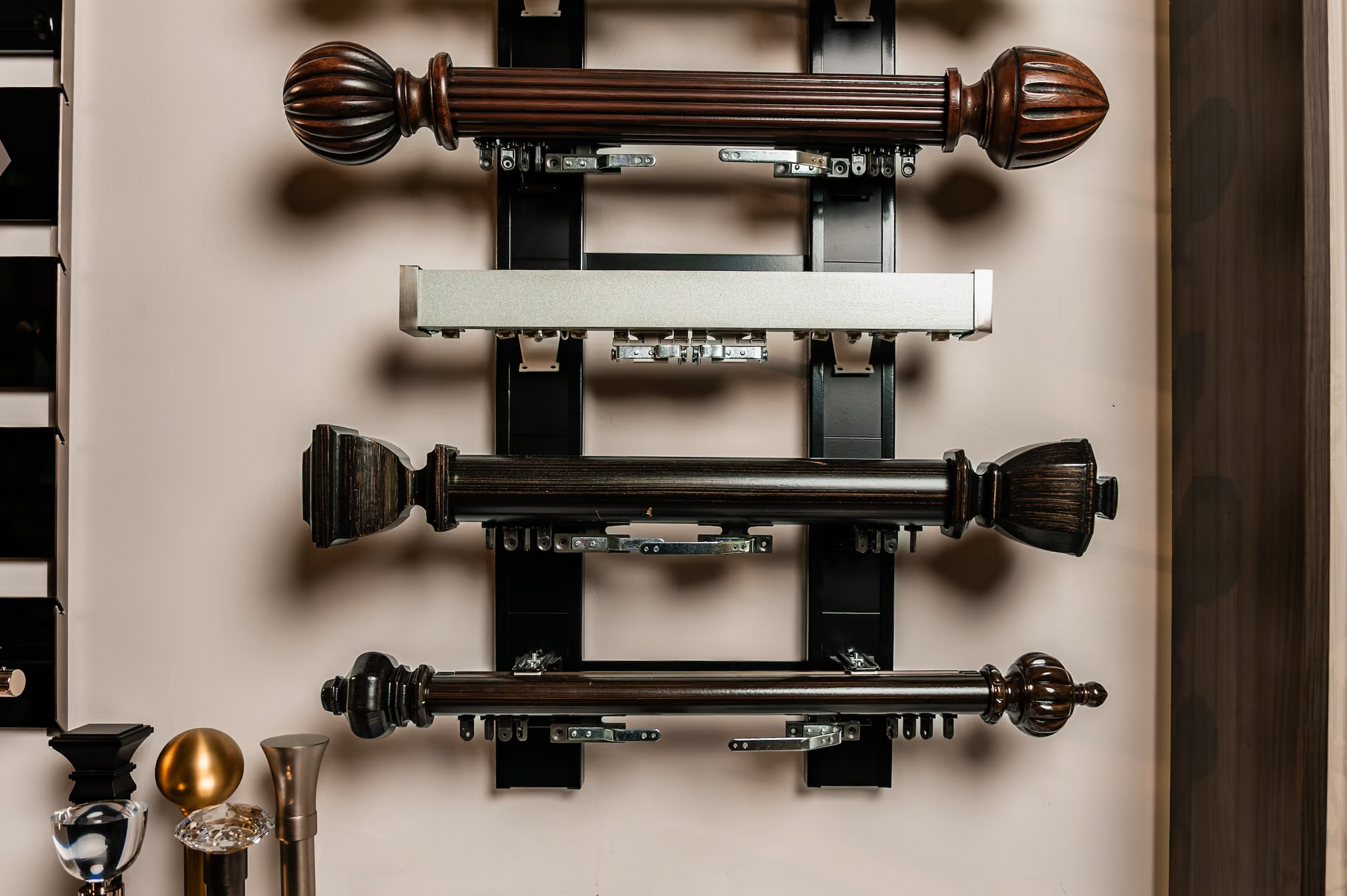
Showroom display of wood drapery rods, decorative finials and a white traverse rod

Hardware Engineered In

Rods, tracks, and motorized traverse systems specced to the fabric's weight from day one.

How a Project Works

[Stage 1] Talk It Through

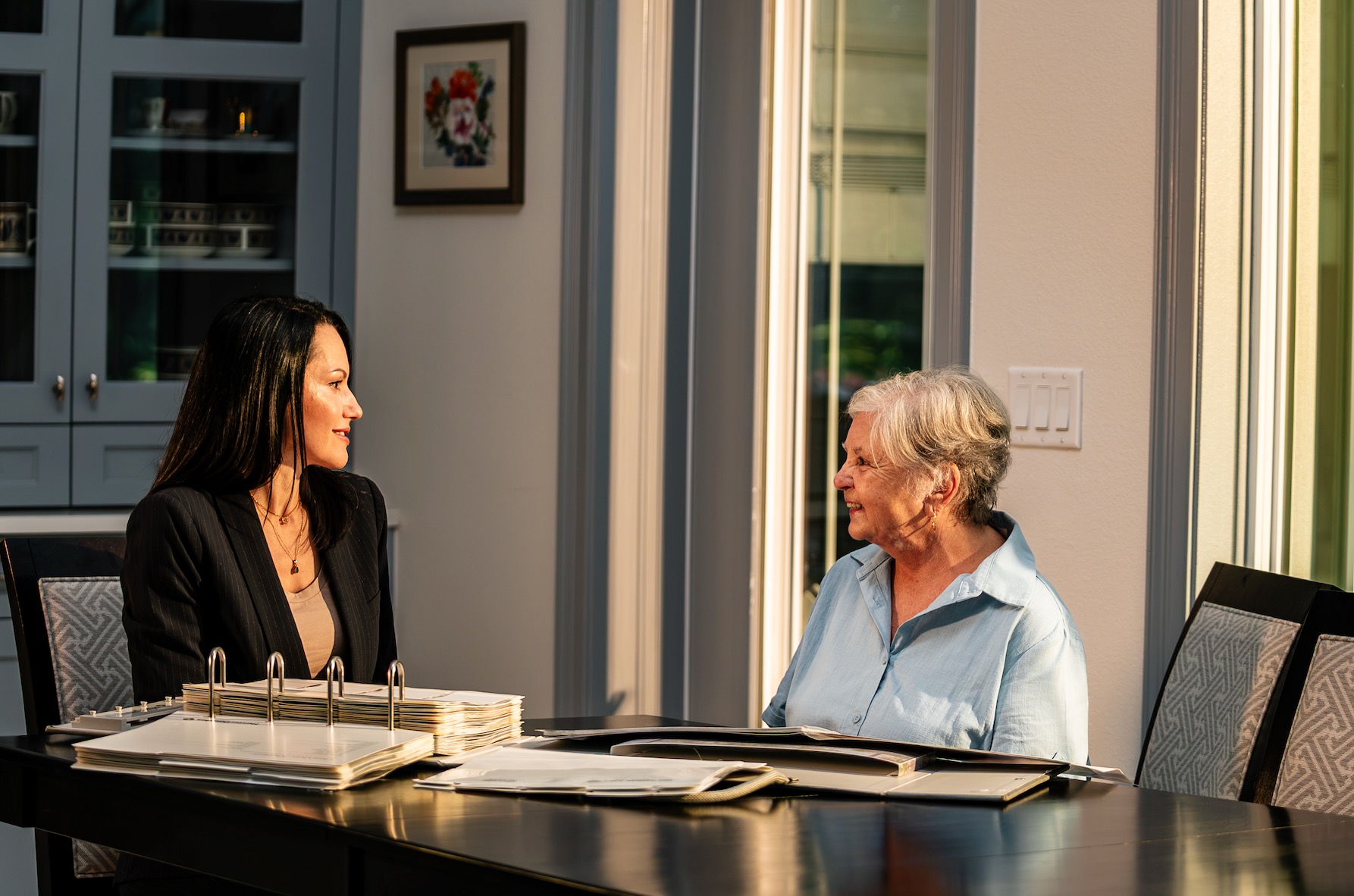
Start in our showroom or book an in-home consultation. We listen first: how the room is used, what the light does, what's been bothering you.

Designer and homeowner talking through window covering options with sample binders in a sunlit dining room

[Stage 2] Design and Decide

We narrow the options to what actually fits your windows, your style, and the way you live, with real samples in your hands.

Hands turning through a window covering sample book showing blind and shade swatches

[Stage 3] Measure and Make

We measure every opening ourselves, then your treatments are custom built to those exact dimensions. No stock sizes, no almost-fits.

Installer lifting a tool bag from his vehicle outside a home before a window treatment install

[Stage 4] Install and Enjoy

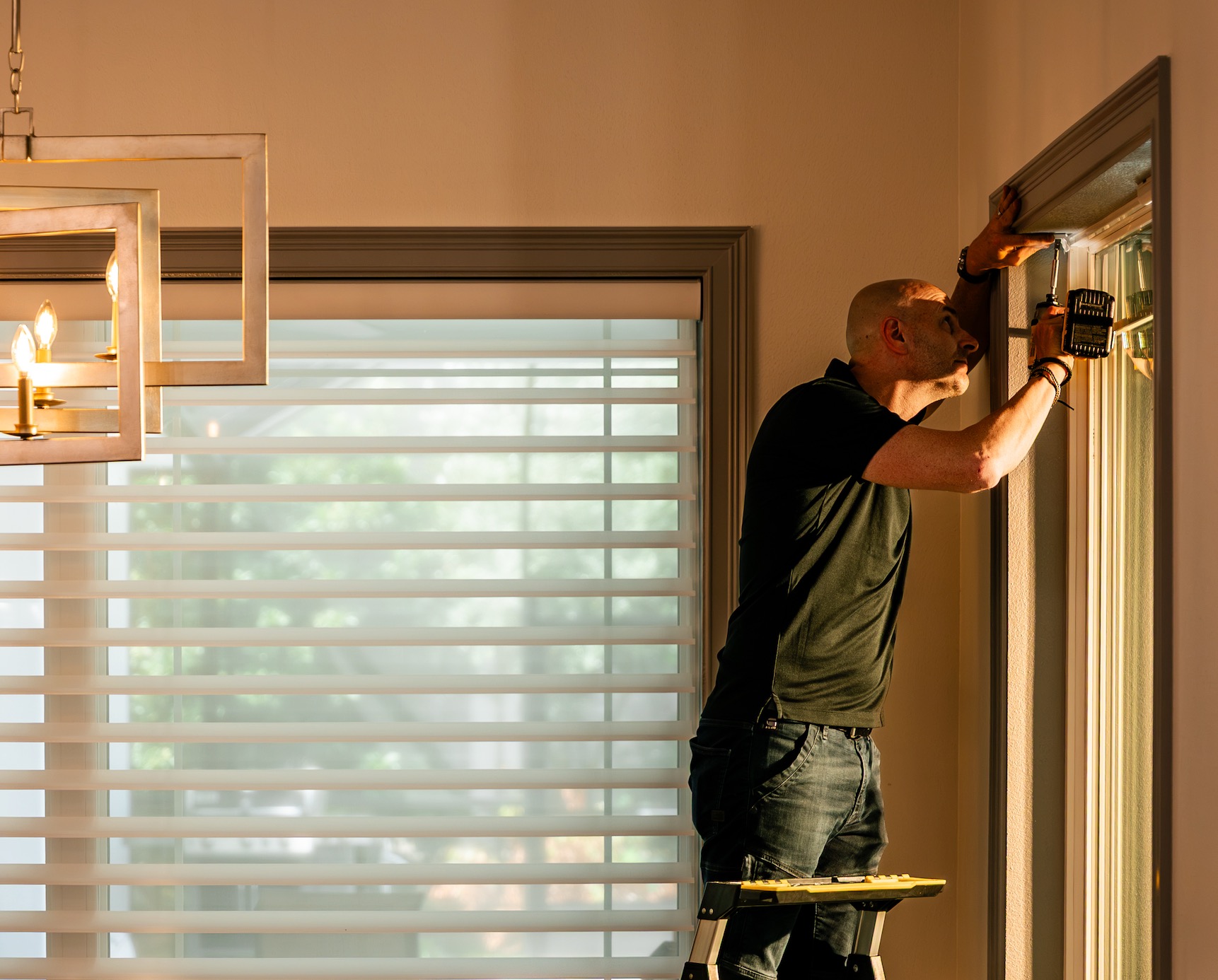
Our installer hangs every piece, dials in the operation, and walks you through it. We don't leave until it works the way it should.

Installer on a step ladder drilling a mounting bracket above a window beside sheer horizontal shades
[Stage 1] Talk It Through
[Stage 2] Design and Decide
[Stage 3] Measure and Make
[Stage 4] Install and Enjoy
Designer and homeowner talking through window covering options with sample binders in a sunlit dining room
Hands turning through a window covering sample book showing blind and shade swatches
Installer lifting a tool bag from his vehicle outside a home before a window treatment install
Installer on a step ladder drilling a mounting bracket above a window beside sheer horizontal shades
Hard treatments control light; drapery finishes the room. It's the layer that adds height, softness, and color across the Hunter Douglas drapery family.

Drapery in a Coastal Home

The Layer That Finishes a Room

Walk into a room that feels complete and there's almost always fabric at the windows. Drapery draws the eye upward, softens hard coastal surfaces like tile and glass, and gives a room its acoustic calm. In Florida great rooms with tall windows, floor-length panels add the vertical lines the architecture is asking for; in bedrooms, layered drapery over a shade turns a bright box into somewhere you can actually sleep. Across the Hunter Douglas drapery family, that finishing layer comes in three forms: woven woods, sheers, and made-to-measure fabric panels.

Choosing Among Woven Woods, Sheers, and Custom Panels

The three styles in this family solve different problems. Hunter Douglas Provenance woven wood shades bring organic texture and filtered light to rooms that lean natural and coastal. Sheer drapes keep a view and a glow while taking the harsh edge off the sun, which makes them the default for ocean- and golf-facing glass. Hunter Douglas Design Studio custom fabric panels do the heavy lifting: privacy, room-darkening, color, and formality, in exactly the fabric and header style the room wants. Most of our favorite installations layer two of the three, and the consultation is where that recipe gets written.

Designed and Installed by Your Local Dealer

As your authorized Hunter Douglas dealer, we handle the whole drapery family the same way: we measure the windows and ceiling heights, spec fullness and lining to the room's sun, order each piece built to those numbers, and install on hardware rated for the finished weight, with warranty service handled locally. People sometimes arrive asking for a window curtain and leave understanding the difference; it's the engineering you don't see that makes drapery hang the way it does in the photographs. For fully bespoke, sewn-in-house panels, our Shade Number Seven Custom Drapery line is the next step beyond the catalog.

If you're not sure where to start, start with the fabric. Our libraries sit in the Palm Coast showroom alongside working Hunter Douglas drapery displays, so you can pull bolts, drape them over your arm, and see how each one takes the light before anything is decided. From there the path is short: we measure, the pieces are built to your numbers, and the same team installs and dresses the panels. The drapery family runs from Provenance woven woods to Design Studio fabric panels, and the fastest way to understand the difference is to stand in front of a finished wall of it.
FAQs

Your Questions, Answered

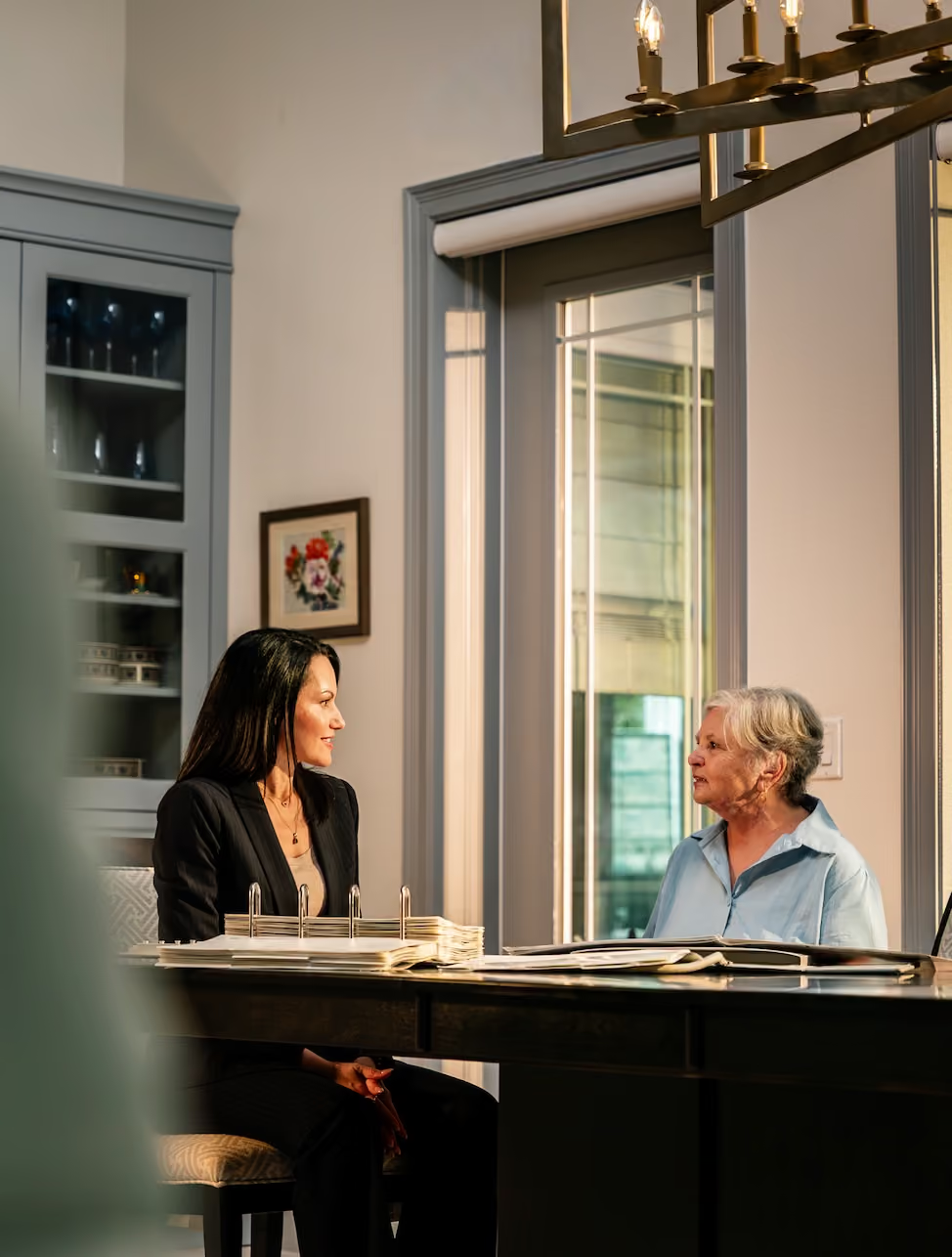
Window treatment designer reviewing fabric sample books with a homeowner at her dining table
FAQs

Your Questions, Answered

What's the difference between drapery, curtains, and drapes?

In everyday speech they blur, but in the trade: curtains are lighter, often unlined panels; drapes or drapery are heavier, lined, floor-length panels with structured headers; and drapery as a category covers the whole soft-goods family, including woven woods and sheers. What matters more than the word is the build: lined, weighted, and measured beats store-bought every time.

Should I layer drapery with blinds or shades?

Often, yes. The hard layer (a shade or blind) does the daily work of light and privacy; the soft layer brings color, height, and finish, and adds blackout or insulation when lined. Bedrooms and great rooms benefit most. We design the two layers together so the hardware, stack, and proportions agree.

How long does it take to make and install custom drapery?

Custom panels are sewn to order after measurement, so the workroom timeline is the long pole; installation itself is usually a single visit. We'll give you a realistic schedule at the consultation based on fabric availability and the workroom queue, and we'll keep you posted as it moves.