

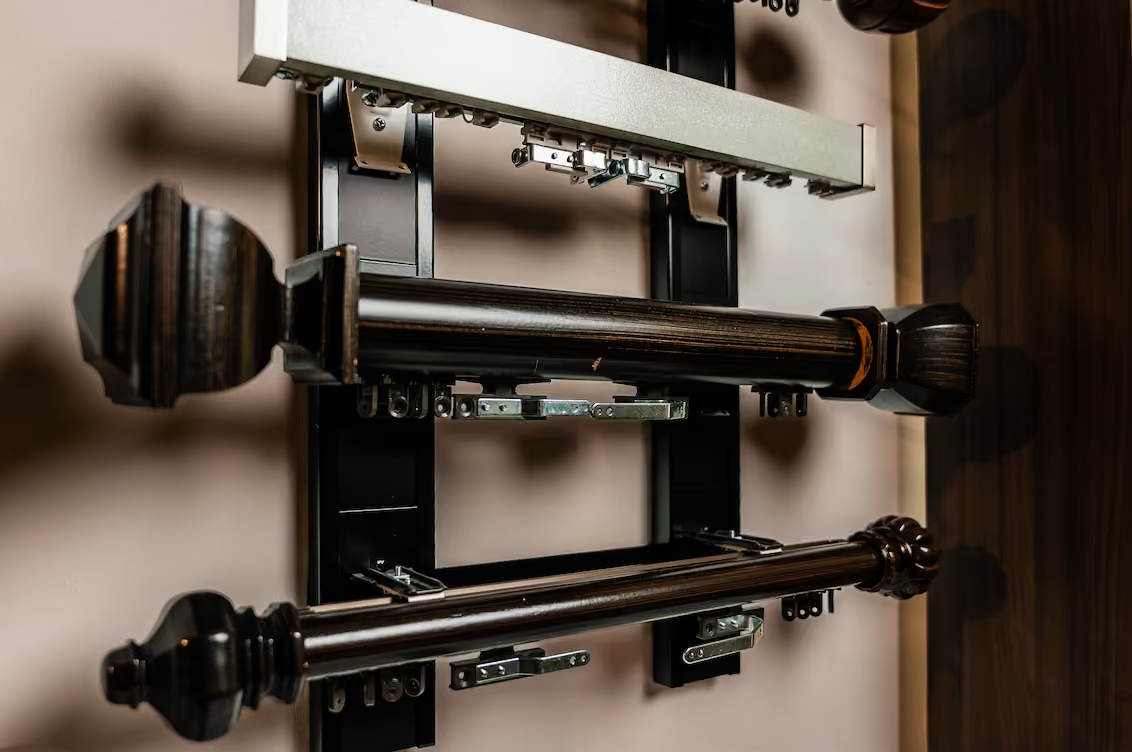
Drapery Hardware That Earns Its Place

Rods, tracks, rings, and finials are the engineering under every great panel. We spec drapery hardware to the fabric's weight and the room's style, then install it to stay.

Why Choose Shade №7

Designed Just For You

Transform your space with our custom-made window treatments.

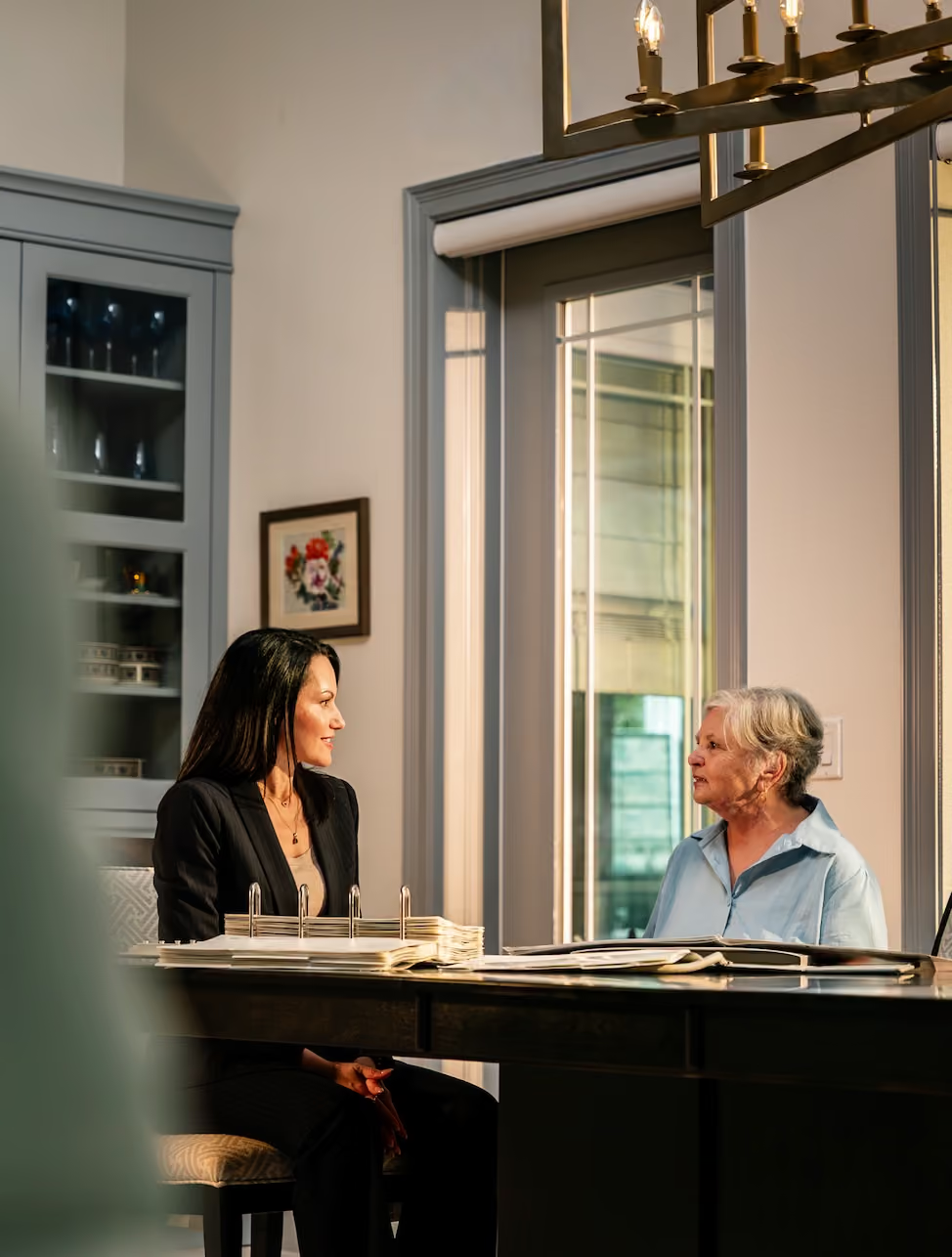
Consult With Our Experts

Contact us and an expert will help you to choose the perfect product for your home.

Professional Measurements

After discussing all the details of your project, our professionals will measure your windows and provide you with a quote.

Certified Hunter Douglas Installation

We provide a full-service solution that handles all aspects of installation.
Engineered and Finished

The Hardware Standard

Hardware fails quietly: rods bow, carriers grind, brackets loosen. Ours is selected against the finished panel's weight and span, then anchored correctly the first time.

Rods, Poles, and Finials

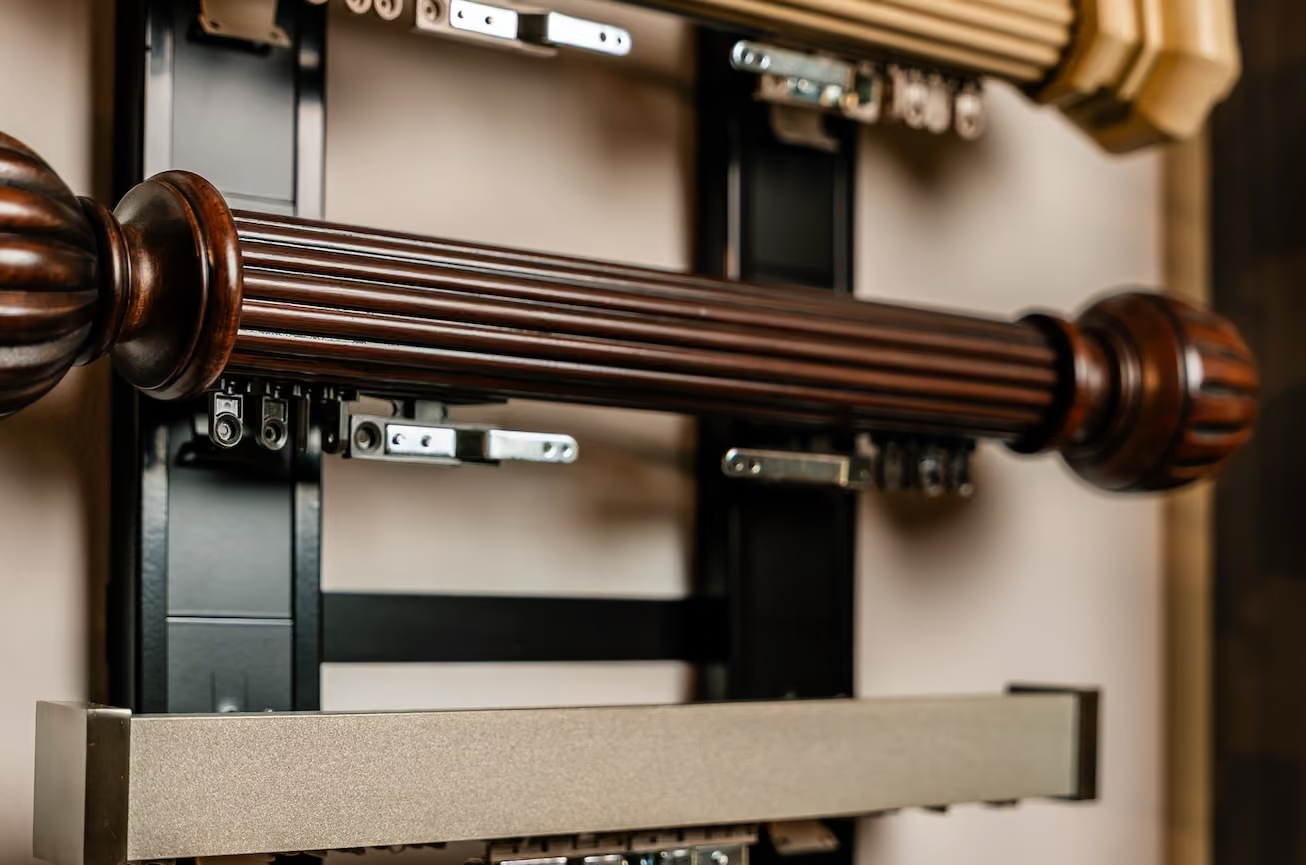
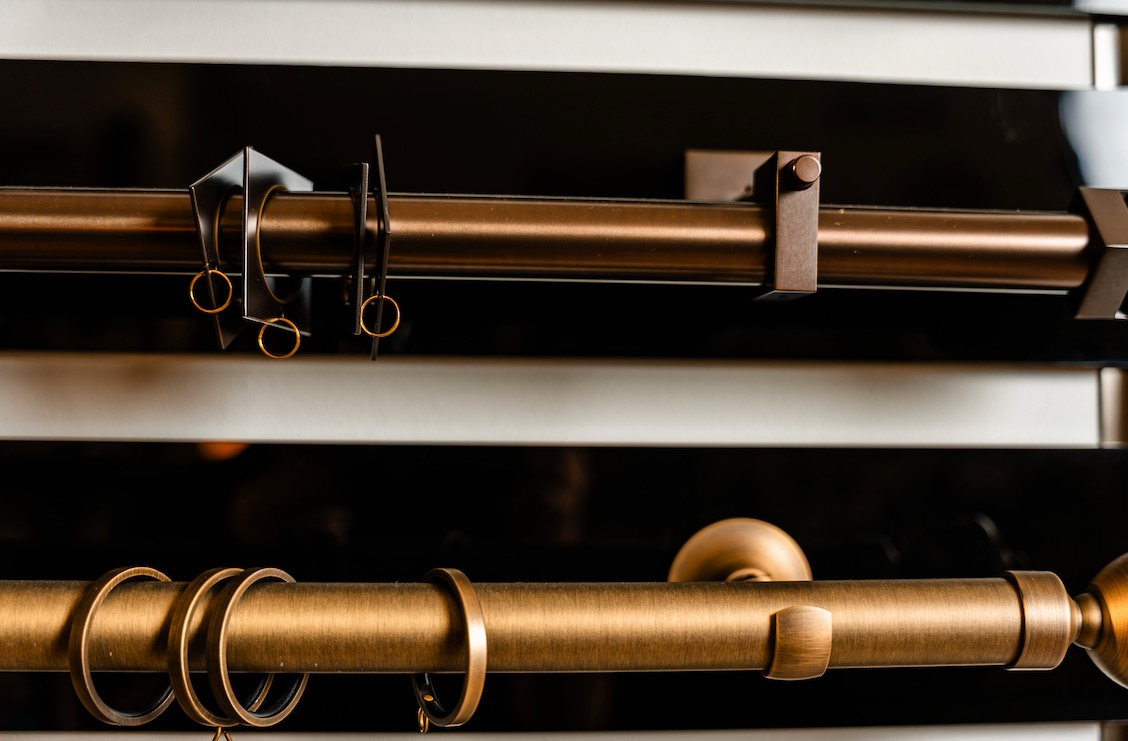
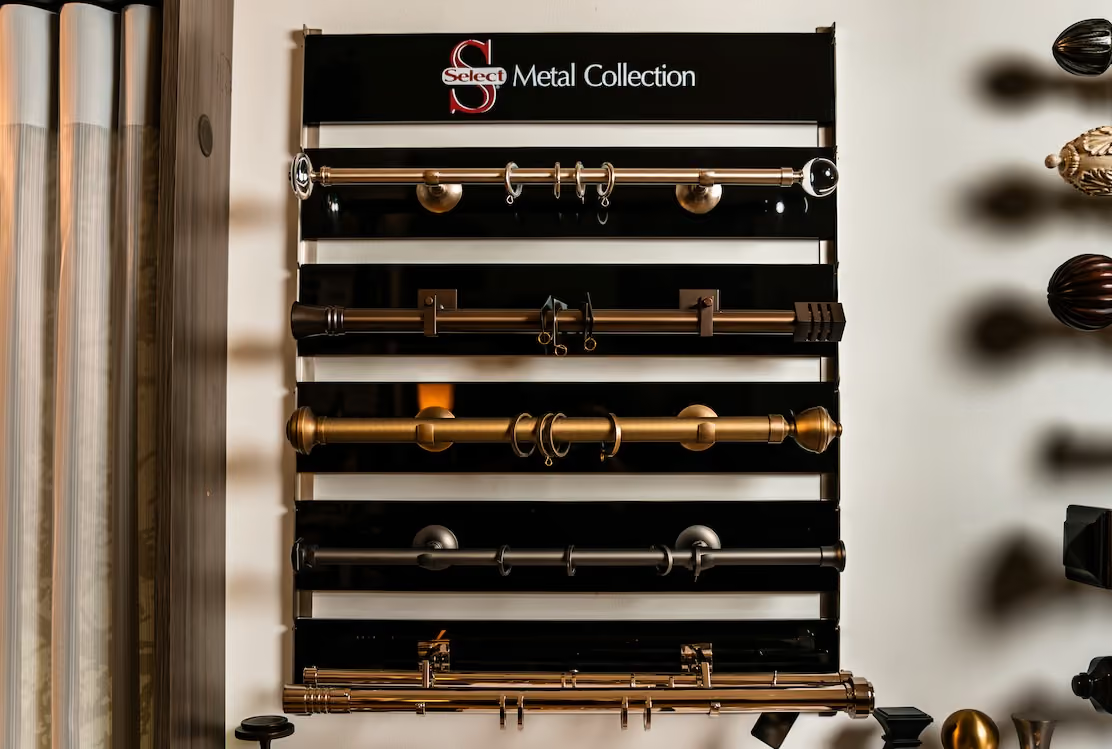
Curtain rods in wood and metal finishes, with finials that match the room's metals and woods.

Tracks and Traverse Systems

Low-profile and recessed tracks for ripple-fold panels, sized to glide full spans with one hand.

Motorized Systems

Quiet motorized tracks that move heavy panels on schedule, by remote, or by voice.

Brackets, Rings, and Tiebacks

The supporting cast, specced for span and weight, finished to disappear or to show off.

Bring Your Vision to Light

You know how you want your home to feel. We know how to get it there. Book an in-home consultation and we'll walk your rooms together, window by window.

How a Project Works

[Stage 1] Talk It Through

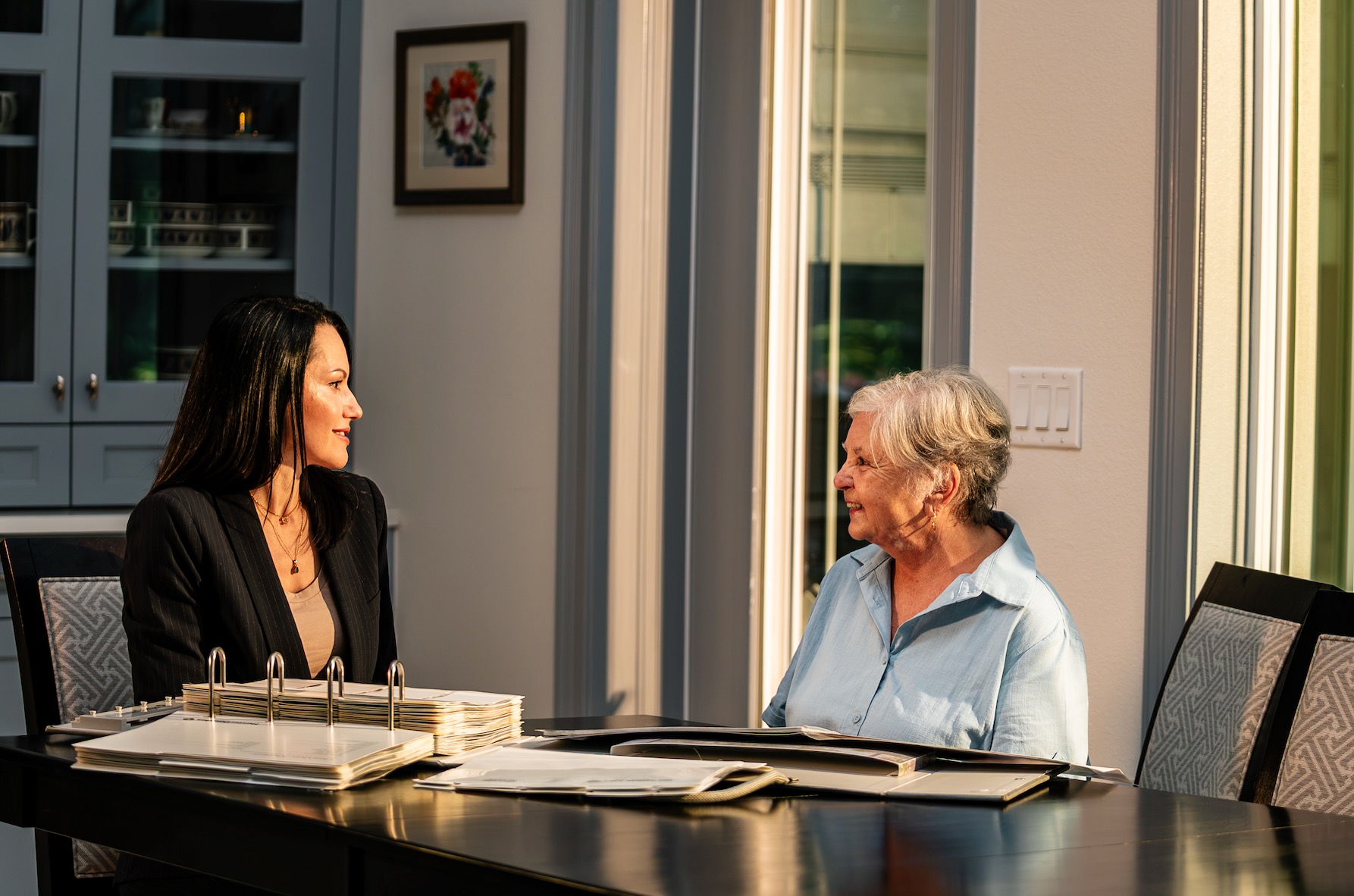
Start in our showroom or book an in-home consultation. We listen first: how the room is used, what the light does, what's been bothering you.

[Stage 2] Design and Decide

We narrow the options to what actually fits your windows, your style, and the way you live, with real samples in your hands.

[Stage 3] Measure and Make

We measure every opening ourselves, then your treatments are custom built to those exact dimensions. No stock sizes, no almost-fits.

[Stage 4] Install and Enjoy

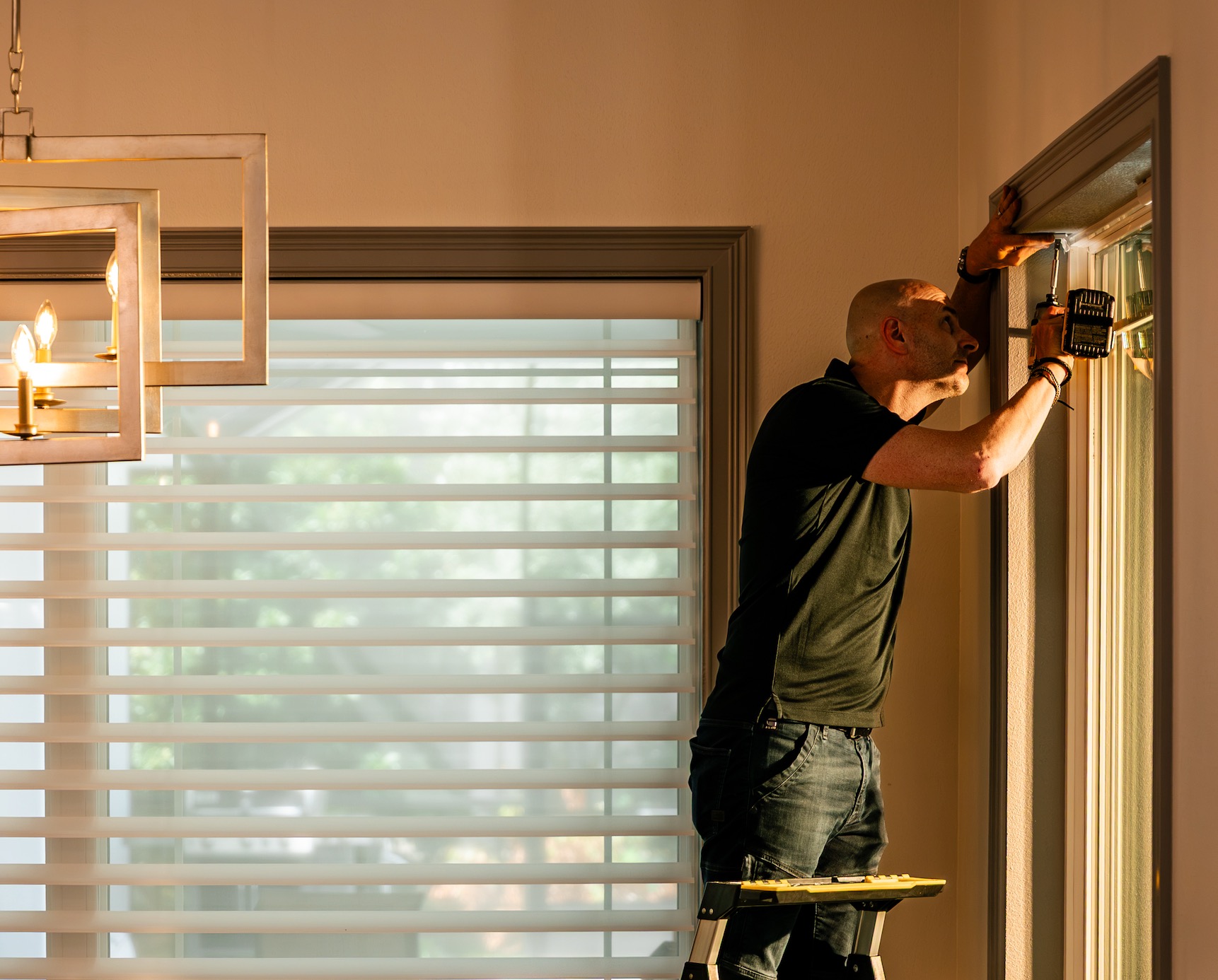
Our installer hangs every piece, dials in the operation, and walks you through it. We don't leave until it works the way it should.

[Stage 1] Talk It Through
[Stage 2] Design and Decide
[Stage 3] Measure and Make
[Stage 4] Install and Enjoy
Panels get the compliments; hardware does the work. Specifying it correctly is the difference between drapery that glides for decades and drapery that sags by spring.

Why Hardware Deserves Attention

Specified Like Engineering

Every hardware decision starts with physics: the finished panel's weight, the span it must cross, and how often it will move. Long spans get center supports or continuous tracks; heavy interlined panels get poles and carriers rated for the load; daily-use sliders get traverse systems built for traffic. This is where drapery hardware companies differ most from the big-box aisle, where a rod is a rod until it bows. Ours is selected from trade lines we've installed for years and trust to keep gliding.

Finish Is Part of the Design

Hardware is jewelry for the window when it shows and infrastructure when it hides. Exposed poles and finials get chosen against the room's other metals and woods, brass with brass, bronze with iron and leather, painted to vanish into trim. Where the design wants nothing visible, low-profile and ceiling-recessed tracks make panels appear to float. Rings, tiebacks, and holdbacks follow the same logic: every visible piece matched, every working piece rated.

Installed to Hold, Wired to Move

Anchoring is the unglamorous half of the craft: brackets hit structure or proper anchors, heights are set to grow the window, and levels are checked across the full run so panels travel true. For motorized systems, we handle the specification, power planning, and programming, including PowerView-compatible setups that put drapery on the same app as your shades. One team specs, supplies, and installs, so when the panel weighs what it weighs, nobody is surprised.

Hardware is also the upgrade path people forget. Beautiful existing panels on a bowing rod can be rehung on proper hardware in an afternoon; a manual track can often be swapped for a motorized one without touching the drapery; and finial or bracket changes refresh a window for less than any other intervention in the room. If your drapery operates badly or hangs tired, the panels may be innocent. Bring us a photo of the window and the span, and we'll diagnose whether the fix is fabric or engineering, and quote the honest one. Like everything in the Shade Number Seven custom line, hardware is specced, supplied, and installed by one family team.
FAQs

Your Questions, Answered

FAQs

Your Questions, Answered

What's included in custom drapery hardware?

Everything the panel needs to hang and move: rods or tracks, brackets and supports, rings or carriers, finials, and any tiebacks or holdbacks, all sized to the span and the fabric's finished weight. For motorized systems, the motor, power plan, and programming are part of the package.

Can drapery hardware be customized to match the room's finish?

Yes, that's half the point. Poles, finials, and brackets come in a deep range of metals, woods, and painted finishes, and we select them against your room's existing hardware, lighting, and trim with samples in hand rather than from a screen.

Should drapery hardware be installed before or after drapes are made?

The spec comes first, the installation comes with the panels. We choose the hardware during design, because the header style and track type shape how the panel is sewn, then install hardware and drapery together so heights, returns, and overlaps land exactly right.

Do you offer motorized or traction-pull rod systems?

Both. Quiet motorized traverse tracks handle heavy panels and wide spans on schedule or by voice, and cord- and baton-drawn traverse systems remain the right manual answer for many rooms. We'll match the mechanism to the panel's weight and your daily habits.